Ogden Deck Depot
  • Home
  • Our Products
    • Adorn® Mortarless Stone Siding
    • Artificial Grass
    • Composite Decking >
      • Apex Decking
      • Apex PLUS Decking
      • Deckorator's Decking >
        • Deckorator's Venture Composite Decking >
          • Deckorators Saltwater Venture Composite Decking
          • Sandbar Deckorator's Venture Composite Decking
        • Deckorator's Voyage Composite Decking >
          • Dark Slate Deckorator's Voyage Composite Decking
          • Khaya Deckorator's Voyage Composite Decking
          • Sierra Deckorator's Voyage Composite Decking
          • Tundra Deckorator's Voyage Composite Decking
          • Mesa Deckorator's Voyage Composite Decking
          • Costa Deckorator's Voyage Composite Decking
        • Deckorator's Vault Composite Decking >
          • Dusk Deckorator's Vault Composite Decking
          • Mesquite Deckorator's Vault Composite Decking
        • Deckorator's Vista Composite Decking >
          • Driftwood Deckorator's Vista Composite Decking
          • Ironwood Deckorator's Vista Composite Decking
          • Silverwood Deckorator's Vista Composite Decking
          • Dunewood Deckorator's Vista Composite Decking
      • Fiberon Decking >
        • Fiberon Good Life Composite Decking >
          • Cottage Fiberon GoodLife Weekender Collection Composite Decking
          • Cabin Fiberon GoodLife Weekender Composite Decking
          • Cabana Fiberon Good Life Escapes Composite Decking
          • Tuscan Villa Fiberon Good Life Escapes Composite Decking
          • Beach House Fiberon Good Life Escapes Composite Decking
          • Bungalow Fiberon Good Life Escapes Composite Decking
        • Fiberon Concordia Composite Decking >
          • Fiberon Sanctuary Composite Decking >
            • Moringa Fiberon Sanctuary Composite Decking
            • Espresso Fiberon Sanctuary Composite Decking
            • Latte Fiberon Sanctuary Composite Decking
            • Chai Fiberon Sanctuary Composite Decking
            • Earl Grey Fiberon Sanctuary Composite Decking
          • Warm Sienna Fiberon Concordia Symmetry Composite Decking
          • Burnt Umber Fiberon Concordia Symmetry Composite Decking
          • Cinnabar Fiberon Concordia Symmetry Composite Decking
          • Graphite Fiberon Concordia Symmetry Composite Decking
          • IPE Fiberon Concordia Horizon Composite Decking
          • Tudor Brown Fiberon Concordia Horizon Composite Decking
          • Rosewood Fiberon Concordia Horizon Composite Decking
          • Castle Gray Fiberon Concordia Horizon Composite Decking
      • Infinity Decking
      • Pioneer Decking
      • TimberTech Decking >
        • TimberTech Harvest Collection Decking >
          • TimberTech Harvest Collection Decking
          • TimberTech Harvest Collection Decking
        • TimberTech Harvest Collection Decking
      • Trex Decking >
        • Trex Enhanced Composite Decking >
          • Clam Shell Trex Enhanced Composite Decking
          • Beach Dune Trex Enhanced Composite Decking
          • Saddle Trex Enhanced Composite Decking
          • Foggy Wharf Trex Enhanced Composite Decking
          • Rocky Harbor Trex Enhanced Composite Decking
          • Toasted Sand Trex Enhanced Composite Decking
          • Coastal Bluff Trex Enhanced Composite Decking
        • Trex Select Composite Decking >
          • Pebble Grey Trex Select Composite Decking
          • Winchester Grey Trex Select Composite Decking
          • Saddle Trex Select Composite Decking
          • Woodland Brown Trex Select Composite Decking
          • Madeira Trex Select Composite Decking
        • Trex Transcend Composite Decking >
          • Gravel Path Trex Transcend Composite Decking
          • Rope Swing Trex Transcend Composite Decking
          • Vintage Lantern Trex Transcend Composite Decking
          • Island Mist Trex Transcend Tropicals Composite Decking
          • Tiki Torch Trex Transcend Tropicals Composite Decking
          • Havana Gold Trex Transcend Tropicals Composite Decking
          • Spiced Rum Trex Transcend Tropicals Composite Decking
          • Lava Rock Trex Transcend Tropicals Composite Decking
    • Deck Design | Plans | Permits >
      • Commercial Deck Engineering
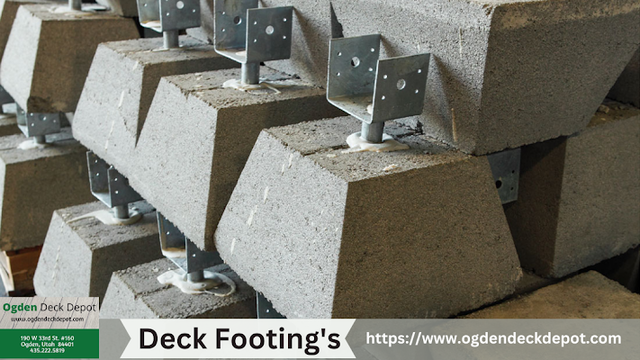
    • Deck Footing's >
      • Ogden Deck Depot Helical Pier Pylon Deck Footing
    • Deck Lumber >
      • Lumber Yard Ogden
      • Pro'Wood Lumber
      • Douglas Fir Lumber
      • Ogden Lumber Yard
      • Lumber Yard Services
    • Deck Upgrades Ogden >
      • Butyl Deck Joist Tape
    • Railing >
      • Aluminum Deck Railing
      • Cinch Steel Deck Railing
      • Cable Deck Railing
      • Fortress Railing
      • Royal Guard Rail
      • TimberTech Fulton Rail
      • Trex Transcend Deck Railing
      • Vinyl Deck Railing
    • Handi Brix
    • Hidden Fasteners
    • Pergola
    • Simpson Strong-Tie >
      • Simpson Strong Tie A35 Framing Anchor
      • Simpson Strong Tie LU210 Mount Joist Hanger
      • Simpson Strong Tie DDT1Z DTT Deck Tension Tie
      • Simpson Strong Tie DTT1Z 4 Piece Kit With Fasteners
      • Simpson Strong Tie BC6 Post Cap
      • Simpson Strong Tie SUR/SUL Right- or Left-Skewed U-Shaped Hanger
      • Simpson Strong Tie ABW Adjustable Post Base with Wind Uplift
      • Simpson Strong-Tie H1A Hurricane Tie
      • Simpson Strong-Tie BVLZ Brick Veneer Ledger Connector
      • Strong-Drive® SDWS FRAMING Screw
      • Strong-Drive SDS HEAVY-DUTY CONNECTOR Screw >
        • Simpson Strong Tie Fascia Bit
        • Simpson Strong Tie Fascia Board Screw
        • Simpson Strong-Tie PHD Hammer-Drive Fastener >
          • ABW Adjustable Post Base with Wind Uplift
        • Titen HD® Heavy-Duty Screw Anchor
        • Simpson Strong Tie Deck-Drive DCU COMPOSITE Screw
    • StruXure Motorized Pergolas
    • Trex RainEscape
    • UFP EDGE
    • Zip•UP UnderDeck® & LumaDome LV Light Kit
  • About
  • Blog
    • Shop Online
    • Why Choose Deck Supplier for Your Project
    • Why Choose Simpson Strong-Tie Ogden Products
    • Top Simpson Strong-Tie Ogden Tips For Deck Safety
    • Reliable Deck Supplier In Ogden For Your Project
    • Ogden Lumber Yard: Your Deck Building Partner
    • Find Quality Lumber at Ogden Lumber Yard Today
    • Expert Deck Footing's Ogden Installation Guide
    • Durable Deck Railing Ogden: Top Selections
    • Deck Railing Ogden: Enhancing Your Outdoor Space
    • Choosing Deck Lumber Ogden: Essential Tips
    • Best Deck Footing's Ogden Options For Stability
    • Crafting Your Perfect Outdoor Oasis: Deck Design in Ogden
    • The Cost of Deck Footings in Ogden: What to Expect
    • How to Maintain and Repair Your Deck Footings
    • Deck Railing in Ogden: Safety, Style, & Local Insights
    • Common Mistakes to Avoid When Installing Deck Footings in Ogden
    • The Best Materials for Deck Footings in Ogden
    • DIY vs. Professional: Choosing the Right Deck Footing Method in Ogden
    • Save Time and Money with Composite Decking: Here's How
    • The Importance of Proper Deck Footings in Ogden
    • 10 Tips for Strong and Level Deck Footings in Ogden
    • Unveiling the Best Deck Lumber in Ogden: Your Ultimate Guide to Outdoor Excellence
    • Ogden's Composite Decking: Elevating Outdoor Living with Durability and Style
    • Ogden Deck Footings: Your Complete Guide
    • Mastering Deck Footings: A DIY Handbook for Ogden Residents
    • Mastering Deck Footings in Ogden: Navigating Terrain Challenges
    • Foundations of Excellence: Mastering the Art of Deck Footings
    • Exploring the Top Deck Railing Choices in Ogden: Elevate Your Outdoor Space!"
    • Deck Lumber in Ogden: Crafting Your Outdoor Haven
    • Choosing Ogden Deck Footings: A Comprehensive Guide
    • Building on Solid Ground: Introducing the Ogden Deck's Resilient Footings
    • Deck Railing Upgrades for Outdoor Living
    • Enhance Your Deck with Steel Railing
    • Choosing the Right Vinyl Railing for You
    • Deck Railing Maintenance Tips
    • Steel Railing: Sleek and Secure Solutions
    • Vinyl Railing Installation Made Easy
    • Deck Railing Trends to Transform Your Deck
    • Steel Railing: Strength Meets Style
    • Deck Railing Designs: Elevate Your Space
    • Ultimate Guide: Vinyl Railing Benefits
    • Crafting Your Oasis Ogden's Trusted Deck Supplier
    • Top Deck Supplier Your Gateway to Trex, Deckorators, and Fiberon
    • Elevate Your View :Stylish Steel Railing in Ogden
    • Lumber Love Finding the Perfect Deck Lumber in Ogden
    • Unlocking Decking Excellence: Ogden's Choice for Trex, Deckorators & Fiberon
    • Elevate Your Space: Ogden's Go-To Deck Supplier
    • Decking Delight Ogden's Leading Supplier Revealed
    • Deck Dreams Come True Ogden's Trusted Supplier
    • Transform Your Outdoor Space: Ogden's Premier Deck Supplier
    • Top Deck Suppliers in Ogden
    • Deck Railing Inspiration: Stunning Designs to Transform Your Outdoor Space
    • Enhance Your View: Choosing Transparent Deck Railing Options
    • Deck Railing Maintenance: Tips for Keeping Your Railing Looking Great
    • From Classic to Contemporary: Exploring Deck Railing Styles
    • DIY Deck Railing: Creative Ideas for Building Your Own
    • Beyond Safety: Deck Railing as a Stylish Design Element
    • Deck Railing Trends: The Latest Designs to Enhance Your Deck
    • Elevate Your Outdoor Space: Stylish Deck Railing Ideas
    • Safety First: Choosing the Right Deck Railing for Your Home
    • Elevate Your Deck Design: Creative Ideas for Stylish Footings
    • Deck Footings Demystified: Common Questions Answered
    • Building a Strong Foundation: Deck Footings Explained
    • Mastering Deck Footings: Tips and Tricks for a Solid Structure
    • Digging Deep: The Importance of Proper Deck Footings
    • Choosing the Right Deck Footings for Your Project
    • Deck Footings 101: Everything You Need to Know
    • Deck Upgrades that Boost Curb Appeal: Ogden's Top Picks
    • From Ground Up: All About Deck Footings
    • Step-by-Step Guide to Installing Secure Deck Footings
    • The Foundation of Your Deck: Understanding Deck Footings
    • Decking Trends for Ogden's Modern Homes: Embracing Style and Functionality
    • Budget-Friendly Deck Upgrades: Ogden Homeowner's Guide
    • Deck Railing Styles: Ogden's Options for Every Taste
    • Decking Material Comparison: Ogden's Comprehensive Guide
    • Composite Decking Myths Debunked: Ogden Edition
    • The Art of Deck Lighting: Ogden's Illumination Ideas
    • Designing a Deck for Family Fun: Ogden's Kid-Friendly Tips
    • Enhancing Privacy on Your Deck: Ogden's Creative Solutions
    • Deck Planning: Ogden's Seasonal Considerations
    • DIY Deck Railing Ideas for the Creative Ogden Homeowner
    • Deck Railing Materials: Ogden's Best Choices for Durability
    • Deck Railing Safety: Ogden's Top Considerations
    • Deck Railing Installation: DIY or Hire a Pro in Ogden?
    • Modern Deck Railing Designs: Ogden's Contemporary Aesthetics
    • Decking Delight: Transforming Ogden Backyards with Stylish Decorators Deck Designs
    • Decking Dreams in Ogden: How Decorators Can Transform Your Outdoor Space
    • Beyond the Basics: Exploring Unique Decorators Decking Ideas in Ogden
    • Decking Decoded: Unraveling the Trends in Ogden's Decorators Deck Scene
    • Decking with a View: Showcasing Ogden's Scenic Spaces with Decorators Designs
    • Choosing the Right Decking Material for Ogden's Climate
    • Deck Lighting: Illuminating Your Outdoor Oasis in Ogden
    • Maximizing Space: Multi-Level Deck Designs for Ogden Residences
    • Aesthetic and Functional Deck Railings for Ogden's Homes
    • Composite Decking Maintenance Tips for Ogden's Four Seasons
    • Deck Footing Troubleshooting: Common Issues and Solutions in Ogden
    • The Role of Simpson Strong-Tie in Deck Safety in Ogden
    • Sustainability in Decking: Eco-Friendly Options for Ogden Residents
    • Creating a Deck Design that Fits Your Lifestyle in Ogden
    • Upgrade Your Outdoor Living Space: Deck Ideas for Ogden Homes
    • Decking Trends in Ogden: What's Hot and What's Not
    • Top 10 Deck Upgrades to Transform Your Outdoor Space in Ogden
    • From Dream to Reality: Deck Design, Plans, and Permits in Ogden
    • Deck Railing Options in Ogden: Safety and Style Combined
    • Deck Lumber in Ogden: Tips for Selecting the Best Materials
    • Decking in Ogden: Wood or Composite, Which Is Right for You?
    • Exploring the Benefits of Composite Decking in Ogden
    • A Solid Foundation: Understanding Deck Footings in Ogden
    • Simpson Strong-Tie in Ogden: Your Deck's Best Friend
    • The Ultimate Guide to Choosing a Deck Supplier in Ogden
    • Deck Railing Ogden: Elevate Your Deck's Style and Safety
    • Creating Safe and Secure Deck Plans for Your Family
    • 9 Inspiring Deck Design Ideas For Your Backyard
    • Ogden Composite: Redefining Material Innovation
    • Elevate Your Construction Projects with Ogden Composite
    • Deck Footings: Your Foundation for Outdoor Living
    • Choosing the Right Deck Supplier in Ogden: Factors to Consider
    • Deck Building Made Easy with Simpson Strong-Tie Ogden
    • Transform Your Outdoor Space with Decking in Ogden: Tips and Ideas
    • Deck Footings Installation: The Foundation of a Sturdy Ogden Deck
    • Choosing the Right Deck Supplier in Ogden: Factors to Consider
    • Why Composite Decks Are The Best Type Of Deck?
    • How To Pick The Perfect Deck Railing For Your Home?
    • How to Choose Deck Footing?
    • The benefits of using Ogden Deck Depot for your construction project
    • The Six Things You Should Know When Choosing A Deck Supplier
    • Outdoor Fire Pit Installation
    • Professional Deck Inspections
    • Trex Composite Decking
    • Low-Maintenance Decking Options
    • Personalized Deck Financing Plans
    • Patio Deck Design and Construction
    • Inspiring Outdoor Deck Spaces
    • LED Deck Lighting Installation
    • Deck Design Trends and Inspiration
    • Deck Staining and Sealing
    • Steel Deck Railing Kits
    • Privacy Fence Design and Installation
    • Deck Materials
    • Quick and Accurate Deck Quotes
    • Deck Board Replacement
    • Deck Landscaping and Outdoor Living
    • Professional Deck Sealing Services
    • DIY Handrail Installation
    • Fiberon Horizon Decking
    • Seasonal Deck Maintenance Tips
    • Eco-Friendly Decking Materials
    • Deck Features and Accessories
    • Deck Financing and Quotes
    • Gazebo Installation on Decks
    • DIY Deck Safety Checks
    • DIY Deck Building Workshops
    • Deck Construction and Installation
    • Deck Renovation and Restoration
    • Deck Refinishing Services
    • Residential Deck Permits
    • Pressure Treated Deck Boards
    • Creative Decking Material Uses
    • Deck Design and Planning
    • Deck Safety and Code Compliance
    • Elevated Deck Construction
    • Decking Materials Comparison
    • Timber vs. Composite Decking
    • Safety Upgrades and Repairs
    • Decking Products
    • Deck Maintenance Tips
    • Vinyl Deck Railing Systems
    • Latest Deck Design Trends
    • Custom Deck Plans
    • Deckorators Classic Series
    • DIY Decking
    • Top Deck Accessories to Transform Your Outdoor Space Fast
    • Essential Deck Accessories for a Complete Outdoor Experience
    • Upgrade Your Patio with These Stylish Deck Accessories
    • Affordable Deck Accessories That Boost Comfort and Style
  • Deck Railing Materials: Pros, Cons, and Best Options for Your Project
  • Write A Review
  • Other Construction Products
    • UFP Edge Products
  • Media Room
    • Ogden, UT
  • Service Area
    • Bonneville
    • Business Depot
    • Canyon Road
    • Clearfield
    • Gibson
    • Hooper
    • Jefferson
    • Layton
    • Mount Lewis
    • Mountain View
    • Ogden
    • Riverdale
    • Roy
    • South Ogden
    • Washington Terrace
    • West Haven
    • West Ogden
    • Sunset
    • Uintah
    • Contact
    • Form Submission >
      • Contractor Account Application
      • Equipment Rental - Check Out Form
      • Material Sales Lead Form
      • ODD FLYER

OGDEN DECK DEPOT WORDS OF WISDOM

Deck Building Trends for Modern Backyards

7/9/2025

0 Comments

 
Deck building today is about more than just adding outdoor flooring—it’s about creating multifunctional, aesthetically striking spaces that enhance lifestyle and home value. Contemporary decks blend form and function, pairing sustainable materials with clever lighting, integrated amenities, and seamless indoor-outdoor flow. Deck building now embraces modern design principles: clean lines, weather-resistant finishes, and smart space planning. Homeowners are choosing layouts that double as entertainment zones, cooking areas, or even mini-home offices. Technological advances in composite and engineered materials allow for low maintenance and high durability, while modular systems let decks evolve over time. By understanding current trends, homeowners can enhance outdoor living in ways that are both visually impressive and practical for daily use.

Designers focus on personalization—outfits like contrasting decking patterns, mixed materials, and integrated planters cater to style and function. Deck building also encompasses smart integration: built-in speakers, lighting that adapts to mood, and hidden storage solutions. The growing interest in sustainability has elevated demand for eco-friendly, durable materials such as recycled composites and FSC-certified wood. Regardless of budget, these innovations let homeowners in Ogden and beyond craft decks that feel modern, purposeful, and welcoming. Understanding what’s trending helps you align your vision with what’s possible, creating a deck designed for both today’s needs and tomorrow’s aspirations.

Mixed Material Platforms

Modern deck building has embraced a new design philosophy where multiple materials are intentionally combined to add sophistication, depth, and functionality to outdoor spaces. Homeowners are no longer limited to a single look or texture—wood can be mixed with metal, composite boards can border natural stone, and even concrete elements can be integrated for contrast. These mixed material platforms allow for distinct zones within the deck, such as a grilling station with stone pavers, a warm wooden lounging area, or a composite dining zone under a steel pergola. This layered approach not only elevates aesthetics but also tailors the space to different functions without compromising visual unity.

However, mixing materials isn’t just about aesthetics; it introduces structural and engineering challenges that require expertise. Materials expand and contract differently, and joining them seamlessly calls for advanced planning. Deck builders need to account for different load-bearing requirements, proper anchoring methods, and appropriate sealants to prevent water damage where materials intersect. Using edge trims, moisture barriers, or matching fascia pieces can make the transitions between materials nearly invisible. When these technical aspects are handled with care, mixed material decks offer unmatched customization and long-term durability while giving the backyard an upscale, intentional look.

Integrated Lighting and Electrical

Decks today are designed with more than just daylight use in mind—they’re now evening destinations as well. Integrated lighting transforms an ordinary platform into an inviting, multifunctional space. Homeowners are adding LED strips under railings or along stairs for both safety and ambiance, while accent lights on posts or flush-mounted fixtures within deck boards create gentle, atmospheric illumination. It’s also common to include weatherproof electrical outlets tucked away in convenient spots to power portable speakers, phone chargers, or even countertop appliances. All of this adds convenience and extends the functionality of the deck well into the night.

Planning electrical components during the design phase is essential to avoid retrofitting later, which can be costly or disruptive. Every outlet must be GFCI-protected for safety, and all wiring should be encased in conduit rated for outdoor conditions. Many homeowners are also requesting smart lighting systems that can be controlled by smartphone apps or home automation systems, allowing them to schedule timers or change lighting colors with ease. Installing these systems to meet local building codes ensures safe operation and peace of mind. With well-planned lighting and electrical features, a deck becomes more than just an outdoor platform—it evolves into a complete living space designed for day-to-night enjoyment.

Multi-Level and Split-Level Layouts

​
In compact yards or sloped landscapes, multi-level decks turn elevation challenges into design advantages. By segmenting the deck into levels—say, a dining deck at one height and a lower lounge—each level can deliver different functions without overlapping. These distinct platforms feel more spacious, and steps or risers become integral features rather than clutter. For homeowners who dream of integrated planters or built-in seating, multi-level design gives the allotment it requires while keeping zones clearly defined.

However, the structural complexity increases. Deck builders must ensure each level is properly supported, with precise footing depths to avoid settling issues. Stair treads, railing transitions, and drainage between levels require careful detail. When executed well, multi-level decks offer not just increased functional space but an architectural richness that feels far more spacious than their footprint would suggest. They transform backyard hills into layered outdoor rooms—each with its own purpose—without expanding square footage.
Picture
Built-In Amenities and Storage

Integrated deck features like benches with hidden storage, built-in coolers or beverage stations, planter boxes, and even fire pits enhance daily usability. For instance, a deep bench with slatted seat tops can double as storage for cushions or toys, freeing up space and reducing clutter. Cooler bays or slide-out drawer units tuck neatly under counter-height bar tops, ideal for outdoor gatherings. A clean, furniture-free deck layout results, just as the space was designed for both function and aesthetics.

From a construction standpoint, these amenities require forethought. Wiring, plumbing, and load distribution must be factored into framing. For example, electrical for lights or heaters and drainage for a bar sink need routing before deck boards go down. Built-ins must also meet code, for instance, fire separation around grills or proper anchoring for safety. When integrated at the design phase, built-in facilities soften the outdoor experience and make your deck feel like a truly bespoke outdoor room.

Composite and Recycled Materials

Composite decking blends recycled wood fibers with plastics for a surface that resists rot, insects, and fading. Unlike wood, composite doesn’t require yearly staining or sealing; a simple power-wash and mild soap restores its appearance. High-end options closely mimic wood grain, complete with realistic shadowing and color variations. Some products offer long warranties—25 years or more—making composite an appealing low-maintenance investment for homeowners.

Recycled plastic lumber (RPL) takes eco-friendliness a step further, made entirely from reclaimed plastics with no wood fiber. Materials like these handle moisture, salts, and UV exposure well and don’t splinter. Even if the upfront cost exceeds treated lumber, the return—lower long-term maintenance, delayed replacement, and sustainable sourcing—often justifies the investment. Properly installed, composite and RPL decks last for decades, meeting modern demands for both aesthetics and endurance.

Minimalist Railing and Guard Systems

To maintain clean sightlines and architectural restraint, modern decks often feature ultra-slim railing systems such as stainless cable or glass panels. Cable rail provides sa turdy barrier without blocking views, while full glass offers a transparent barrier ideal for waterfront properties or scenic backyards. These systems hold up to code while feeling nearly invisible—perfect for those seeking an understated, open ambiance.

Installation requires attention to tension, anchor placement, and seal integrity. Cable rail must be tensioned correctly to avoid sag over time, and glass panels require weatherproof frames and safety glass ratings. Finished posts should be flush with decking to avoid trip zones. Despite the technical complexity, minimalist rails deliver a perched elegance, preserving your yard’s vistas and keeping the deck visually light and crisp.

Smart Design for Accessibility and Future Growth

Forward-thinking decks are designed for future accessibility and adaptability. Wider pathways, step-free entries, and pre-installed brackets make it easy to add ramps or railings later if mobility becomes a concern. Others incorporate modular deck boards that can be removed or replaced individually to install under-deck storage or replace worn areas without full re-decking.

Connectivity matters: leaving access panels for potential plumbing under a bar, electrical chaseways for outdoor lighting, and utility-ready zones means upgrades happen easily, without ripping apart major framing. As families grow or needs shift—say, for a hot tub or garden greenhouse—these decks can evolve. Planning for expansion and access at build time prevents costly retrofits and keeps the deck fresh and liveable for decades to come.

Conclusion

​
When selecting modern deck building features, it pays to work with a contractor who understands both aesthetic vision and functional demands. A well-designed deck enhances usability, adds property value, and transforms outdoor space into a versatile extension of your home. Ogden Deck Depot specializes in current trends—from mixed-material layouts to seamless lighting, sustainable materials, and future-ready design. Their team navigates permits, engineering, and construction to deliver decks that fit your personal taste and family lifestyle.

Get in touch with Ogden Deck Depot at 435‑222‑5819 or visit us in Ogden, UT, to explore recent projects and discuss ideas. Whether you're envisioning a multi-tiered lounge, built-in storage, or integrated lighting, their experts help you select materials and features that match both your budget and aesthetic goals. Call now to schedule a consultation and begin creating an outdoor living space that stands out.

0 Comments

What to Ask Before Hiring a Deck Building Contractor

7/7/2025

0 Comments

 
Hiring the right contractor is one of the most important decisions you'll make when starting a deck building project. A well-constructed deck enhances your outdoor space, adds value to your home, and creates a place to gather and relax. But working with an inexperienced or unlicensed contractor can result in delays, budget overruns, or poor craftsmanship that could cost you more in the long run. That’s why it’s essential to approach the hiring process with careful planning and thoughtful questions.

The contractor you choose should not only be skilled in deck building techniques but also knowledgeable about local codes, permits, and material options. It’s not just about who gives the lowest bid—it’s about hiring someone you can trust to get the job done safely, professionally, and to your satisfaction. From checking credentials to understanding timelines, knowing what to ask can help ensure your project runs smoothly and stays on budget. Below are several essential considerations you should evaluate before signing a contract or committing to a timeline.

Licensing and Insurance Coverage

Before hiring any contractor, it’s crucial to verify that they are properly licensed and insured. In deck building, these credentials aren’t just formalities—they are critical for protecting your home and your finances. A valid contractor’s license means the builder has met state and local requirements, passed relevant tests, and demonstrated a baseline of competency in construction. Insurance coverage is just as essential. General liability insurance protects your home from accidental damage during the build, while workers’ compensation covers injuries sustained by crew members on your property. Without these protections, you as the homeowner could be held financially liable for accidents or damages.

To ensure legitimacy, request physical copies of their license and insurance documents, and take the extra step to verify them with your local licensing board or insurance provider. Make sure both are current and cover the full duration of your deck project. Some contractors may let policies lapse to save money, putting homeowners unknowingly at risk. A responsible, reputable contractor will be happy to provide this documentation—it signals professionalism and transparency. Verifying credentials not only gives you peace of mind but also shows the contractor that you’re an informed client who values quality and accountability.

Experience with Similar Projects

Experience matters greatly when choosing someone for your deck building project, especially if you’re considering custom layouts, unique materials, or working with a challenging landscape. Not all general contractors specialize in decks, and even fewer have experience with intricate or non-standard builds. For example, elevated decks require different engineering considerations than ground-level ones. Similarly, composite decking, curved railings, or integrated lighting demand a contractor who understands these materials and systems in depth. Asking about past experience with projects similar to yours ensures the contractor is familiar with the demands your deck will require.

Reviewing a contractor’s portfolio gives you a real-world glimpse into the kind of results they deliver. Look for craftsmanship, design creativity, and attention to detail. If their completed work aligns with your style and expectations, that’s a good sign. Ask for references from clients with similar needs or property conditions and take the time to follow up. A good contractor should also be able to suggest enhancements or adjustments that fit your yard’s dimensions and function. The more closely their previous work resembles your vision, the more likely they are to execute your deck successfully and efficiently.

Project Timeline and Scheduling Expectations

A reliable timeline is the backbone of a smooth deck building project. It helps you plan your schedule, manage your household disruptions, and ensures the contractor is on track with milestones. When discussing the project timeline, ask for more than just a start and finish date. Get a breakdown of the phases: demolition (if needed), site preparation, foundation setting, framing, surface installation, and finishing. A professional contractor will provide a schedule that includes realistic buffer time for weather delays, inspection approvals, or back-ordered materials.

It’s also important to understand the contractor’s availability and workload. Ask how many other jobs they’re handling simultaneously—too many commitments could spread them thin and lead to delays. Request clarity on daily working hours, the number of crew members assigned to your project, and who your main point of contact will be for updates. A written schedule with benchmarks keeps communication clear and allows both parties to stay accountable. Frequent check-ins or progress reports will help you feel involved and reduce anxiety as your deck progresses from a plan to a finished structure.
Picture
Permitting and Code Compliance

Local building codes are in place to ensure structures like decks are safe, stable, and legally constructed. Your contractor should be well-versed in Roseville’s specific requirements, such as setback distances, railing heights, and footing depth. A trustworthy deck building professional won’t cut corners or skip essential steps in the permitting process. Always ask whether they’ll obtain the permits on your behalf and coordinate with the local building department for required inspections. Permits should never fall solely on the homeowner.

If a contractor dismisses the need for permits or tries to shift responsibility to you, consider it a warning sign. Decks that don’t meet code can result in hefty fines or mandatory reconstruction, especially when selling your home later. Ask how they’ll handle any code updates or unexpected inspector requests. A contractor who’s prepared for these requirements is more likely to deliver a compliant, durable structure. This step is essential for your peace of mind and long-term investment.

Material Recommendations and Sourcing

One of the key decisions in deck building is selecting the right materials for your environment, budget, and lifestyle. A qualified contractor should walk you through the pros and cons of options like pressure-treated wood, composite decking, or exotic hardwoods. Each material offers different benefits—wood delivers a natural look, while composite is lower maintenance. Your contractor’s guidance should help you balance aesthetic preferences with performance requirements, especially in climates with harsh weather or high UV exposure.

Beyond helping you choose, ask how your contractor sources their materials. Reputable professionals typically work with trusted suppliers and may even pass on bulk or trade discounts to you. Clarify whether the quote includes hardware, railing, and finishes so there are no unexpected expenses. If sustainability is important to you, ask about eco-friendly materials or certified lumber. Ultimately, material quality and availability can impact the timeline and durability of your deck, so your builder’s sourcing approach matters more than you might expect.

Crew and Subcontractor Management

Who will actually be on-site building your deck? Some contractors use their own in-house crew, while others rely on subcontractors. Knowing who will be doing the work is important for quality control, accountability, and communication. Ask how the team is supervised and whether the same crew will be there throughout the project.


A seasoned deck building contractor should have a reliable team that’s skilled in carpentry, framing, and finish work. You should also know who to contact daily with updates or concerns. If subcontractors are involved, make sure they’re licensed and insured as well. Strong team coordination leads to fewer errors, faster completion, and a smoother overall experience for the homeowner.

Warranty and Post-Construction Support

Even the best deck building projects can have issues down the road. That’s why a contractor’s warranty matters. Ask what kind of warranty they offer on labor and materials, how long it lasts, and what it covers. Reputable contractors typically provide one- to five-year warranties for labor, and longer guarantees for materials, especially if they’re using premium products.

You should also know what support is available after construction ends. Will the contractor handle minor adjustments or inspect the deck annually? A good builder stands behind their work and remains responsive if problems arise. Be sure to get any warranties and post-project commitments in writing. This protects your investment and ensures peace of mind long after the crew has packed up.

Conclusion

Choosing the right professional for your deck building project doesn’t have to be overwhelming when you know what to look for. From confirming licenses and experience to understanding timelines and materials, the right questions can help you avoid costly mistakes and ensure the finished deck meets your expectations. A good contractor brings not just technical skill, but also clear communication and accountability throughout the process.

If you’re ready to build a deck you’ll love for years to come, reach out to Ogden Deck Depot. Our team can guide you through every step, from planning and materials to connecting with local professionals. Visit us at our location in Ogden, UT, or call us at 435-222-5819 to get started on your outdoor upgrade today.

​
0 Comments

Deck Building for Small Yards: Design Ideas

7/4/2025

0 Comments

 
Small outdoor spaces come with their own set of design challenges, but that doesn’t mean you have to sacrifice style, comfort, or function. With thoughtful planning and smart use of space, deck building in compact yards can transform even the most modest backyard into a personal retreat. Whether you're working with a narrow side yard, a compact patio area, or a tight corner lot, the right deck layout can help you make the most of every square foot. The goal is to design with intention—using space efficiently while keeping your lifestyle and future use in mind.

Today’s deck building strategies go beyond basic rectangles and pressure-treated wood. You can incorporate features like built-in seating, vertical elements, and multi-level platforms to maximize utility without overcrowding the area. Thoughtful finishes, creative railing designs, and lighting enhancements also bring a cozy atmosphere that makes small decks feel more expansive. Working with a contractor who understands the nuances of building in tight spaces can make all the difference in how your outdoor area looks, feels, and functions. With the right design approach, your small yard can become a functional extension of your home, perfect for relaxing, dining, or entertaining year-round.

Built-In Seating to Maximize Function

In small yards where every inch matters, built-in seating becomes more than just a convenience—it becomes a smart design strategy. Traditional outdoor furniture, such as chairs and loveseats, often requires substantial space, making the deck feel crowded or cluttered. Built-in benches, on the other hand, streamline your layout by incorporating seating directly into the deck's structure. These custom features can be installed along perimeter edges or wrap around corners to maximize the usage of awkward or narrow spaces. Many homeowners also opt to add built-in planters or backrests to the seating area for added visual appeal and functional variety.

Another huge benefit of built-in seating is the potential for dual-purpose design. By integrating hidden storage beneath seat lids, you create space to stash cushions, gardening tools, or children’s outdoor toys—all without sacrificing square footage. With proper weatherproofing, these benches hold up well against the elements and offer long-term durability. Stylistically, they contribute to a seamless, clean look that can be dressed up with colorful cushions or weather-resistant fabrics for extra comfort and flair. Whether you’re hosting guests or relaxing with a book, built-in seating makes your deck feel intentionally designed and practical, turning a small outdoor area into a cozy and organized oasis.

Multi-Level Decks to Define Spaces

In smaller backyards, it can be difficult to carve out distinct areas for different activities. Multi-level deck building addresses this challenge by separating your outdoor space into functional zones, even if you’re working with limited square footage. Instead of one flat surface, you can design a series of tiered platforms—each designated for a specific use. The upper level might house a dining area, while the lower could accommodate a hot tub, fire pit, or casual seating nook. These small transitions not only enhance usability but also add depth and movement to your yard.

The aesthetic benefits are just as compelling. Varied deck levels create a sense of dimension and flow that makes your outdoor area feel more expansive and thoughtfully planned. If your yard is naturally sloped, multi-level decks can work with the terrain instead of against it, reducing the need for extensive grading or retaining walls. With the right design elements—such as integrated lighting, cohesive railing styles, and well-placed stairs—multi-level decks can tie the whole yard together in a cohesive and stylish way. Best of all, they offer homeowners a way to enjoy multiple functions in one outdoor space without it feeling crowded or confined.

Floating Decks for Flexibility

For homeowners facing zoning restrictions, rental agreements, or uneven yard terrain, floating decks offer an ideal deck building alternative that delivers both style and flexibility. These freestanding structures rest directly on the ground or on concrete blocks, eliminating the need for deep footings or complex anchoring systems. Because they aren’t attached to the home or buried in the earth, floating decks often require less permitting and can be installed more quickly. This makes them a great choice for budget-conscious builds or seasonal use where a permanent feature might not be necessary.

Floating decks are also incredibly versatile in terms of placement and design. You can situate them anywhere in the yard—under a shady tree, in a sunlit corner, or beside a garden bed. They can serve as dedicated spaces for lounging, dining, or sunbathing, and are easy to customize with planters, seating, or even pergolas for shade. Their low-profile structure helps them blend into the landscape, creating a grounded, natural look. Since they can be built in non-standard shapes, floating decks are especially useful for yards with unusual layouts. When thoughtfully finished and maintained, they offer a durable, attractive, and non-invasive option for maximizing your yard's potential.
Picture
Vertical Elements to Add Height and Privacy

If horizontal space is limited, building upward can provide both beauty and functionality. Vertical elements such as pergolas, trellises, and privacy screens can make your deck building project feel complete without taking up additional square footage. A pergola adds structure and defines the deck area, while also offering a place for shade fabric or climbing plants. Trellises and latticework bring privacy while still allowing airflow and light.

Incorporating vertical design components also allows for creative lighting or hanging planters, which enrich your outdoor experience without cluttering the floor. For homeowners in densely built neighborhoods, these structures are excellent for screening off views of adjacent homes or creating a more intimate atmosphere. You can use wood, metal, or composite to match your existing deck materials and maintain a cohesive look. Thoughtful vertical design not only enhances aesthetics but also maximizes usability in smaller yards where space is at a premium.

Smart Storage Built into the Design

Storage is often overlooked in deck design, but it becomes essential in smaller spaces where every inch counts. Decks in small yards benefit greatly from storage-integrated features such as built-in benches, under-deck compartments, and planter boxes with hidden bins. These functional elements help keep outdoor tools, cushions, and gardening supplies neatly tucked away, maintaining a clean and organized appearance.

Adding storage doesn’t mean sacrificing style. With clever carpentry and waterproof materials, hidden storage can blend seamlessly into your overall deck design. Lift-up seat tops, sliding panels, or discreet drawer systems ensure accessibility without interrupting the flow of the space. This is especially valuable for homeowners with limited or no garage storage. When planned thoughtfully, storage features increase the deck's functionality without overcrowding the space, making your yard not only more attractive but significantly more livable throughout the year.

Creative Railing and Border Designs

In small spaces, even railing choices can influence how open or enclosed your deck feels. Traditional wood railings can feel bulky in tight quarters, while sleeker options—like cable, glass, or horizontal metal slats—open up sightlines and make the deck appear more spacious. Creative railing designs add personality and help establish visual boundaries without closing off the area. A low-profile border or partial railing may also be enough to define the deck while keeping it airy.

Incorporating planters, lighting, or seating into your railing design further boosts functionality without using up more floor space. For example, railing-top ledges can double as bar seating, or built-in planters can add greenery without taking up ground room. Railing is more than a safety feature—it’s an opportunity to shape the atmosphere of your deck. In small yard deck building, every design decision matters, and your railing can serve as both a stylish accent and a space-saving tool.

Lighting for Ambiance and Safety

Proper lighting is essential for any deck, but it’s particularly important in smaller spaces where function and aesthetics need to coexist. Thoughtfully placed lights can make a compact deck feel larger and more inviting, while also ensuring safety during evening use. Low-voltage LED lights built into steps, railings, or along the deck perimeter provide soft, ambient illumination that doesn’t overwhelm the space. Wall-mounted sconces or string lights add charm and character.

Lighting also allows your deck to be an extension of your home after dark, encouraging more use during evenings and across seasons. In small yard setups, lighting can help define spaces, distinguishing between dining, lounging, and pathway zones. With energy-efficient options and smart controls, you can easily adjust the mood and brightness as needed. A well-lit deck maximizes usability and enhances overall enjoyment, proving that size doesn't limit how functional and beautiful your outdoor space can be.

Conclusion

Designing a functional and inviting deck for a small yard may require creative thinking, but the payoff is well worth the effort. From built-in seating and storage to multi-level structures and stylish railings, your compact outdoor space can be transformed into a highly usable and beautiful extension of your home. Thoughtful deck building techniques ensure that every square foot is maximized without feeling overcrowded. Even the smallest yards can become dynamic outdoor living areas when equipped with the right layout and materials.

If you're ready to bring your vision to life, reach out to the experts at Ogden Deck Depot. Our team offers a wide range of materials and solutions tailored for projects of any size. Call us today at 435-222-5819 or visit our location in Ogden, UT, to get personalized help with your deck building plans. Let’s make the most of your small space—beautifully and efficiently.
0 Comments

Seasonal Guide to Deck Building in Ogden

7/2/2025

0 Comments

 
Deck building in Ogden isn’t just about choosing a design or material—it’s also about knowing the right time of year to get started. Weather conditions play a major role in how smoothly your project moves forward and how long your deck will last. From soil stability to humidity levels, each season introduces factors that affect installation, drying times, and long-term durability. Planning your project around the local climate ensures that materials perform as expected and construction stays on track. Whether you're working with pressure-treated lumber, composite boards, or hardwood decking, understanding how weather impacts these materials will help you make smarter, more cost-efficient decisions.

Ogden experiences a range of weather patterns throughout the year—hot, dry summers; mild, wet winters; and temperate spring and fall months. Each of these seasons brings its own set of benefits and potential delays when it comes to deck building. Choosing the best time to start construction depends on your schedule, your choice of materials, and the contractor's availability. In this guide, we’ll walk you through what to expect in every season so you can align your goals with optimal conditions. Whether you're planning ahead or trying to fit in a last-minute project, this seasonal breakdown will help you time your deck building efforts for the best results.

Spring: A Balanced Start for Deck Projects

Spring is one of the most favorable seasons for deck building in Ogden due to its moderate temperatures and relatively stable weather patterns. Materials like pressure-treated wood or composite decking perform well during this time, as they are less likely to expand, warp, or crack during installation. The soil is usually soft but not overly saturated, making it ideal for digging footings and setting the structural base. Adhesives and concrete also cure more evenly in mild temperatures, which improves the integrity and longevity of the build.

That said, spring’s unpredictability comes mainly from rain. Sudden showers can delay work or create muddy conditions that make site access difficult. Homeowners should anticipate minor weather-related delays and schedule their deck building projects with some flexibility. The benefit of starting in spring, however, is that you get ahead of the summer rush, when contractors become heavily booked. This can lead to quicker project starts, better pricing, and time to stain or seal your deck before high temperatures set in. Overall, spring offers a smart balance between workability, cost-efficiency, and timely project completion.

Summer: High Demand, High Temperatures

Summer brings long daylight hours and dry conditions, making it a productive season for deck building in Ogden. Crews can work for extended periods, which helps speed up construction. For homeowners hoping to enjoy their new deck during backyard gatherings and barbecues, summer can be a tempting time to start. The dry climate also reduces the risk of rain delays, keeping most projects on track, if not ahead of schedule.

However, summer also brings complications due to intense heat. Wood can dry out too quickly, leading to surface cracks, cupping, or warping, especially if the boards are installed under direct sun without protective covering. Contractors may need to adjust work hours to early mornings or evenings to avoid heat-related issues. High demand for services during summer means scheduling must be done well in advance. Without early planning, you may face longer wait times or increased labor costs. Summer can still be a good season for deck building, but it requires strategic timing and careful material handling to ensure high-quality, long-lasting results.

Fall: Ideal Weather for Construction and Finishing

Fall is widely viewed as the most balanced and productive season for deck building in Ogden. The cooler temperatures help maintain the stability of materials like wood and composite, which means less expansion, contraction, or warping during construction. Adhesives, stains, and sealants cure evenly in the mild fall air, and concrete footings are more likely to set properly without heat-induced cracks or rain-related delays. This consistency allows contractors to maintain a steady work pace and deliver higher-quality results. Homeowners can also complete additional finishes—like staining or painting—without the risk of extreme sun exposure that often complicates summer applications.

Contractor availability also improves in the fall. As demand dips after summer, homeowners may find it easier to schedule experienced builders and even secure more competitive pricing. Crews tend to have more time for individual projects, leading to better attention to detail and communication throughout the process. Building in the fall also means your deck will be cured and settled by the time warmer months return, making it immediately ready for spring and summer enjoyment. It’s an ideal window to get ahead on outdoor upgrades and make the most of both your investment and your contractor’s availability.
Picture
Winter: Weather Risks and Construction Limits

Winter is the most difficult time of year for deck building in Ogden due to a combination of low temperatures, wet conditions, and shorter daylight hours. Rainfall and cooler weather can delay digging, concrete pouring, and overall progress. Cold temperatures slow down curing times for adhesives and concrete, which can compromise the strength and durability of the structure. If building with wood, there's an increased risk of moisture absorption, which can lead to mold growth, swelling, or long-term damage if not properly sealed and maintained. These risks make winter a tricky time for full-scale outdoor construction.

Despite these drawbacks, winter isn’t completely off-limits for deck projects. For smaller-scale jobs or preparation tasks—like designing, acquiring permits, or prefabricating parts—winter can actually be quite productive. Some contractors offer reduced rates during this off-season, and materials like composite decking are better suited to withstand colder, wetter weather. Still, special precautions must be taken, such as using heated curing systems or covering workspaces to avoid exposure. If you plan to build in winter, flexibility in scheduling and a well-thought-out weather contingency plan are crucial. While it’s not the ideal season for deck building, it can still work with careful coordination and proper material choices.

Material Considerations by Season

Your material choice for deck building should align with seasonal weather patterns in Ogden. For example, in hot summers, composite decking is ideal since it resists warping and fading better than untreated wood. In cooler, wet seasons like winter and spring, pressure-treated wood must be properly sealed to prevent water damage. Redwood performs well year-round but still requires maintenance to preserve its rich color and durability.

Spring and fall are ideal for installing materials that require temperature-specific curing, such as certain adhesives or fast-setting concrete. Summer installations may need protective coverings to shield sensitive decking materials from direct sun during construction. Always consult your contractor about the best time to install the material you’ve chosen. Understanding how each option responds to Ogden’s seasonal shifts helps you prevent early wear, structural issues, and unnecessary maintenance. Choosing the right material for the right season ensures longevity, appearance, and safety.

Scheduling and Contractor Availability

The time of year greatly affects contractor availability for deck building in Ogden. Spring and summer are the busiest seasons, with many contractors booked months in advance. If you plan to build during those periods, early scheduling is essential to avoid delays and inflated labor costs. Fall and winter typically see lower demand, offering homeowners more flexibility and potentially lower pricing.

In the off-season, contractors may have more time to focus on your project, giving you better quality control and communication. However, inclement weather could still influence timelines. Working with a builder who knows how to navigate seasonal changes and stay on track is critical. Ask about their past experience managing off-season builds and their contingency plans. Timing isn’t just about convenience—it directly impacts cost, workflow, and finish quality. A well-timed schedule with the right contractor can be just as important as the materials you choose.

Preparing Your Property for Seasonal Builds

No matter the season, preparing your property for deck building can reduce complications. In spring and winter, ensure your yard drains properly so the construction site doesn’t become muddy or unstable. During summer, provide shade if possible, especially if you're storing materials on-site. In fall, clear away falling leaves and debris regularly so that your build area stays clean and efficient.

Utility checks and soil evaluations are also essential parts of preparation. Your contractor will likely want to confirm where water, gas, and electrical lines are located, especially before digging. It's also wise to trim back landscaping or remove obstacles near the construction zone. Preparing your property makes it easier for builders to do their job safely and on time. Homeowners who plan ahead help ensure their deck is not only built efficiently but also lasts longer thanks to a clean and well-managed building environment.

Conclusion

Understanding how each season affects deck construction helps Ogden homeowners make smarter, more cost-effective decisions. From choosing the right materials to timing the build for favorable weather and contractor availability, each detail plays a role in the success of your project. Whether you’re building for function, beauty, or resale value, aligning your deck plans with seasonal factors ensures a smoother process and a longer-lasting result.

For quality materials and expert advice, visit Ogden Deck Depot. Our team helps you choose the best decking solutions for your climate, design preferences, and timeline. Call 435-222-5819 or stop by our location in Ogden, UT, to get started with the right materials and support for any season. Let’s build something lasting—no matter the weather.

​
0 Comments

Best Materials for Long-Lasting Deck Building

6/30/2025

0 Comments

 
When planning a new outdoor space, choosing the right materials can significantly impact the lifespan and performance of your deck. For homeowners focused on durability, selecting high-quality products at the start of the deck building process can help avoid costly repairs and unnecessary replacements down the line. Different materials respond differently to Utah's seasonal changes, including sun exposure, snow, and temperature swings, so making informed decisions is key to long-term satisfaction.

Whether you're looking for natural wood aesthetics, low-maintenance alternatives, or something that balances both, it's important to understand how each option holds up over time. Some materials require more upkeep but offer rich character, while others resist fading, rot, and warping with minimal care. By comparing their durability, weather resistance, maintenance needs, and overall value, you can find the best fit for your lifestyle and budget. This article explores the best materials for long-lasting deck building and how each option performs in Utah’s climate.

Pressure-Treated Wood and Its Longevity

Pressure-treated wood remains one of the most popular and cost-effective choices for deck building, especially for homeowners looking for reliable performance at an affordable price. It’s made by infusing standard lumber with chemical preservatives that guard against termites, fungal decay, and general moisture-related deterioration. This makes it particularly suitable for foundational components like posts, joists, and beams, as well as deck surfaces in budget-conscious builds. With routine upkeep, including annual sealing and occasional staining, pressure-treated wood decks can deliver a useful life of 10 to 20 years.

Despite its affordability, pressure-treated wood comes with maintenance responsibilities that shouldn’t be overlooked. Constant exposure to UV rays and moisture can result in splitting, warping, or splintering if left untreated. Homeowners need to commit to regular inspections, replacing boards as needed, and applying protective finishes every few years. While it doesn't offer the same natural elegance as higher-end hardwoods, it can still provide a classic wood aesthetic when well-maintained. For those balancing functionality with cost, pressure-treated lumber presents a practical option that works especially well in utility-focused deck designs or as a solid structural base beneath more decorative top decking.

Redwood for Natural Beauty and Durability

Redwood stands out as a premium decking material prized for both its striking visual appeal and natural resilience. Sourced primarily from the western U.S., redwood contains natural oils and tannins that protect it from pests, decay, and water damage—making it one of the few decking woods that doesn’t require chemical treatment to remain durable. With proper care, redwood decks can last 20 to 30 years, making it a long-term investment for homeowners who prioritize both aesthetics and performance. Its deep red and golden hues offer a sophisticated, organic look that can enhance the appearance of any outdoor space.

In climates like Utah’s—where seasons bring both sun and snow—redwood’s natural weather resistance is a huge asset. However, maintaining that signature color does require commitment. Without periodic sealing or staining, redwood will gradually fade to a silvery gray, which some homeowners appreciate, but others may wish to avoid. Its higher cost can be a hurdle for budget-sensitive projects, yet for those who value longevity, sustainability, and a high-end finish, redwood is a rewarding choice. It’s best suited for prominent deck designs that serve as extensions of living spaces, where appearance and comfort are as important as structural integrity.

Composite Decking for Low Maintenance and High Performance

Composite decking has gained popularity for good reason—it offers excellent durability, minimal maintenance, and a modern aesthetic. Made from a blend of recycled plastics and wood fibers, composite boards resist rot, mold, splintering, and fading. Unlike traditional wood, composite decking doesn’t require staining, sealing, or painting, which can save homeowners time and money over the years.

In terms of longevity, composite materials can last 25 to 30 years or more when installed correctly. They're ideal for climates like Utah’s, where UV exposure and moisture cycles can degrade wood. The surface is also slip-resistant and available in various textures and colors that mimic real wood without the hassle. While the initial cost is higher than wood options, the return on investment becomes clear through reduced upkeep. Composite is an excellent choice for homeowners who want lasting beauty, functionality, and minimal effort after installation.
Picture
PVC Decking and Its Weather-Resistant Properties

PVC decking is one of the most durable synthetic options available for deck building. Composed entirely of polyvinyl chloride, these boards are highly resistant to moisture, UV rays, and insect damage. Unlike wood or composite, PVC does not absorb water, so it won’t swell, warp, or rot, making it especially useful in wet or humid environments or areas with snow.

PVC decking can easily last 30 years or more with little maintenance beyond periodic cleaning. Its lightweight nature also makes it easy to install and suitable for second-story or rooftop decks. While it tends to have a more synthetic appearance than composite or wood, newer product lines offer improved textures and colors that appeal to modern homeowners. Though it's one of the most expensive materials up front, PVC decking's long life and hassle-free upkeep make it a worthy investment for those who prioritize resilience in challenging weather conditions.

Aluminum Decking for Superior Strength and Lifespan

Aluminum may not be the first material that comes to mind in deck building, but it's one of the strongest and most durable options on the market. Aluminum decking is completely resistant to moisture, insects, warping, and fire. It’s also highly reflective, which helps it stay cooler underfoot in direct sunlight—a notable advantage during Utah summers.

What makes aluminum stand out is its extraordinary lifespan—it can last 40 years or more with virtually no maintenance. It doesn’t require sealing or staining, and it won't rust or corrode when coated with a weather-resistant finish. While the industrial appearance may not appeal to every homeowner, aluminum decks are ideal for modern designs or utility-focused outdoor spaces. The high upfront cost is offset by zero maintenance costs over decades. For those seeking the ultimate in long-lasting, no-hassle materials, aluminum is a top contender.

Hardwood Decking Options Like Ipe and Cumaru

Exotic hardwoods such as Ipe and Cumaru are some of the most resilient decking materials available. These woods are extremely dense and naturally resistant to rot, insects, and fire—making them highly suited to demanding environments. Ipe, in particular, can last 40 to 50 years or more with minimal treatment, while Cumaru offers similar strength with a slightly more golden hue.

Because of their density, hardwoods are harder to cut and install, requiring special tools and fasteners. They’re also heavier and more expensive than domestic wood options. However, their visual appeal is unmatched, offering deep, rich tones and a fine grain that make any deck feel luxurious. Minimal maintenance is required beyond occasional sealing to preserve the color. For homeowners seeking long-term value, timeless beauty, and unmatched durability, exotic hardwoods are a premier choice in deck building.

Balancing Cost, Maintenance, and Longevity

Choosing the best decking material involves more than just selecting the most durable option—it’s about finding the right balance between cost, upkeep, and how long the deck will last. For example, pressure-treated wood is budget-friendly but requires more maintenance. On the other hand, materials like composite or PVC have a higher upfront cost but pay off with less maintenance and longer lifespans.

Before making a decision, consider how much time you're willing to dedicate to care and what kind of climate-related stresses your deck will face. A north-facing deck may stay damp longer, while one in full sun might need UV-resistant materials. Factor in the total cost of ownership over 20–30 years, not just the initial expense. Working with an experienced contractor or material supplier can help you weigh the pros and cons of each material and choose what fits your lifestyle and long-term goals best.

Conclusion

Investing in long-lasting materials is one of the smartest decisions you can make when planning your deck. The right choice depends on your climate, budget, design preferences, and how much maintenance you're willing to manage over time. From pressure-treated wood to exotic hardwoods and low-maintenance synthetics, each material brings unique advantages that impact how well your deck performs over the years.

For trusted advice and a wide range of quality decking products, connect with Ogden Deck Depot. Their team can help you find the perfect balance between durability, appearance, and cost. Call 435-222-5819 or visit them in Ogden, UT to explore top-performing deck materials that are built to last. Whether you're upgrading an old deck or starting from scratch, they’re ready to guide you every step of the way.

​
0 Comments

Deck Building Permits: What Ogden Homeowners Need

6/28/2025

0 Comments

 
Starting a deck building project in Ogden involves more than just choosing materials and hiring a contractor—it also means understanding the permit requirements that apply to your property. Many homeowners don’t realize that most decks, especially those elevated or attached to the home, require a city-issued permit before construction can begin. Ignoring this process can result in delays, fines, or even forced removal of the structure if it's not up to code. Permits ensure that your deck meets local safety, zoning, and building standards, protecting both your investment and your family.

Whether you’re replacing an old deck or planning a brand-new outdoor living space, getting clear on the local permitting rules is essential. The City of Ogden reviews deck plans for things like structural support, railing height, load limits, and setbacks from property lines. Each of these factors plays a role in whether your permit is approved or denied. Knowing what the city requires upfront can prevent major headaches down the road. Partnering with a contractor who’s familiar with Ogden’s permitting process can also help move things along smoothly. In this article, we’ll break down what you need to know about permits for deck building in Ogden, so your project stays legal, safe, and on track.

When a Permit Is Required

In Ogden, permits are typically required for any deck attached to a home or elevated more than 30 inches above grade. The reason for this requirement is to ensure that any raised structure complies with safety codes and is built to handle expected loads, weather, and use. Decks built without permits may be considered non-compliant structures and could lead to issues during home inspections or property sales. Even small projects can fall under permitting guidelines, especially if electrical work, guardrails, or structural components are involved.

It’s also important to know that freestanding decks or patios may still require permits if they exceed certain size thresholds or if they’re located near property lines or easements. Ignoring these rules can result in fines or the need to modify or tear down completed work. Always check with the City of Ogden’s Building Division before starting your project. They’ll let you know if your deck design requires a permit and what documentation needs to be submitted. This step, while sometimes time-consuming, is crucial to ensuring that your deck is safe, code-compliant, and legally approved for construction.

What the Application Process Involves

Applying for a deck building permit in Ogden is a multi-step process that begins with submitting detailed plans to the city. These plans must include your deck’s dimensions, framing layout, footing details, stair design, and railing specifications. In some cases, elevation drawings and site maps may also be required to show how the deck sits in relation to your property boundaries. The Building Division uses these documents to verify that your design meets Utah Building Code and local zoning ordinances.

Once submitted, the review process can take a few days to a few weeks, depending on the complexity of your project and the current workload of the city planning department. If any corrections are needed, you’ll be notified and given a chance to revise your plans. Once your permit is approved, you’ll receive documentation that must be kept on-site during construction. It’s also important to note that inspections will be scheduled at key stages of the build, such as after footings are poured and before final sign-off. Getting through the application process smoothly often comes down to preparation and working with professionals who are familiar with what the city expects.

Zoning and Property Line Setbacks

Zoning laws play a major role in deck construction, especially in suburban areas like Ogden. Before your project can be approved, the city will review whether your proposed deck fits within your property’s zoning designation. One key factor they look at is setbacks—the required distance between your deck and your property lines. These rules are in place to preserve privacy, maintain open space between homes, and ensure access for utilities and emergency services.

Most residential zones have minimum setback requirements for side, rear, and front yards. For example, your deck may need to be at least 5 to 10 feet away from your rear fence or more if you live on a corner lot. Failing to meet these requirements can result in permit denial or the need for costly design changes. To avoid surprises, it’s smart to confirm your property boundaries and zoning requirements early in the planning process. Your contractor or a local surveyor can help you determine the exact location of your lot lines. Knowing where you can legally build will help prevent project delays and ensure compliance with local land-use regulations.

Picture
Building Codes and Structural Safety

Every deck built in Ogden must adhere to the Utah Residential Code and local amendments to ensure structural integrity and occupant safety. These building codes specify everything from joist and beam spacing to railing height and stair design. They are especially important for elevated decks, which must be able to support not only foot traffic but also furniture, snow load, and occasional seismic activity. Poorly built decks can collapse or suffer from rapid deterioration, making strict compliance essential.

Inspections play a key role in enforcing building codes throughout the project. The city will typically inspect the footings before concrete is poured, the framing before it’s enclosed, and the finished deck before final approval. Each inspection ensures that the work meets minimum code standards and matches the approved design. Working with a licensed contractor helps ensure that your deck is built to pass these checks without delays. They’ll know how to install hardware correctly, reinforce load points, and meet all railing and stair requirements. By focusing on code compliance, you protect your home, your investment, and everyone who uses the deck.

Working With a Licensed Contractor

Partnering with a licensed contractor can make the deck building and permitting process much smoother. A qualified builder not only brings construction expertise but also understands local codes and how to navigate the permit system. In Ogden, contractors who frequently work with the city’s Building Division know what documents to submit, what design issues to avoid, and how to schedule timely inspections. Their experience can reduce delays and prevent costly mistakes during construction.

Licensed contractors also carry insurance and warranties that protect both their workers and your property during the build. In many cases, a contractor can pull the permit on your behalf, saving you time and stress. They’ll also make sure the project remains compliant at every step, from excavation to finishing touches. When hiring, ask about their experience with Ogden deck projects, request references, and make sure they hold a valid Utah contractor’s license. The right contractor isn’t just a builder—they’re your partner in creating a code-compliant, high-quality outdoor living space.

Common Reasons Permits Get Denied

Even with the best intentions, permit applications can be denied if they don’t meet certain standards. In Ogden, one of the most common reasons is incomplete or incorrect documentation. If your plans lack required details—such as framing specs, elevation drawings, or material types—they’ll be sent back for revision. Inaccurate site maps or unclear property boundaries can also trigger rejections. Submitting clear, precise, and professional plans significantly increases your chances of approval.

Another common issue is failure to meet zoning or code requirements. For example, if your proposed deck encroaches on setback lines or doesn’t meet stair safety standards, it will not pass review. Working with a contractor who understands these rules is essential to avoiding delays. Lastly, projects that ignore height limits or don’t plan for adequate guardrails often get flagged. The review process is designed to ensure that all decks are safe, well-built, and legally placed on the property. Knowing what can cause a denial helps you and your contractor avoid missteps before they happen.

The Role of Inspections Throughout the Build

Inspections are an essential part of the deck building process in Ogden, and they are required at specific stages to ensure compliance with all building codes. Typically, you can expect inspections after the footings are dug and poured, once the framing is complete, and after the final structure is built. Each inspection ensures that the construction aligns with the approved plans and that safety standards are fully met before the next phase begins.

Failing an inspection can mean pausing the project until corrections are made, which delays completion and may add costs. That’s why it's critical to work with a contractor who is experienced with local inspection procedures and knows how to prepare for each step. Scheduling inspections in advance and maintaining open communication with city officials helps keep your project on track. Inspections protect your investment by ensuring the deck is stable, safe, and long-lasting, giving you peace of mind long after the build is complete.

Conclusion

Deck construction in Ogden requires more than just design and materials—it demands a full understanding of permit rules, building codes, and inspection requirements. Permits aren’t just paperwork; they ensure your structure is safe, legal, and built to last. From knowing when permits are required to understanding setback limits and code standards, every detail counts. That’s why working with professionals familiar with the Ogden process is crucial.

If you’re ready to start your deck building project, contact Ogden Deck Depot. They can help guide you through every phase, from planning to permit approval and material selection. Their team is knowledgeable, responsive, and committed to helping you build a deck that’s not only beautiful but fully code-compliant. Call 435‑222‑5819 or visit their location in Ogden, UT, to get started on your outdoor space today.
0 Comments

How Composite Deck Boards Improve Home Value in Utah

6/26/2025

0 Comments

 
​If you're a Utah homeowner looking to boost your home’s resale value, don’t underestimate the power of outdoor upgrades—especially a well-built deck. And not just any deck—composite deck boards offer lasting value, low maintenance, and a polished look that appeals to today’s homebuyers.

At Ogden Deck Depot, we help homeowners choose the best deck building materials to increase both curb appeal and long-term ROI.

1. Composite Decking Adds Instant Curb Appeal
First impressions matter. Composite decking provides a sleek, uniform finish that stays vibrant year after year. Brands like Trex Decking are available in a variety of colors and finishes, making it easy to complement your home’s style.

Buyers Love:
Clean lines and consistent color
No visible nails or splinters
Modern aesthetics that elevate outdoor living

 2. Low Maintenance = Long-Term Value
Homebuyers are increasingly looking for low-maintenance features that save time and money. Composite deck boards don’t need sanding, staining, or sealing—ever. That makes your deck a major plus on any home listing.

Bonus: Composite decking resists rot, fading, and pests. That means fewer repairs and replacements for future homeowners—a big selling point.

 3. Weather-Resistant and Built for Utah’s Climate
Utah’s weather can be tough, with hot summers, snowy winters, and everything in between. Composite boards—especially top brands like Trex—are built to withstand harsh conditions without cracking, warping, or splintering.

A traditional wood deck can degrade quickly without constant upkeep. Composite decking stays strong and beautiful, even in extreme conditions.

 4. Higher Appraisal and Listing Prices
According to real estate professionals, a professionally installed composite deck can offer a return on investment (ROI) of 70–80%. Homes with updated outdoor living spaces not only sell faster, but often command a higher price.

If you’re planning to sell in the next 3–5 years, upgrading your deck with composite materials can give your listing a competitive edge.

5. Trex Decking: A Smart Choice for Homeowners
As one of the most trusted brands in composite deck boards, Trex Decking is known for durability, eco-friendliness, and long-term warranties. It's a solid investment—not just for your deck, but for your property value.

Build Value with Ogden Deck Depot
Thinking about upgrading your outdoor space? We carry the best deck building materials, including Trex Decking, framing, railing systems, and hardware. Our team will help you choose the perfect setup to fit your goals—whether you're listing your home soon or planning to enjoy it for decades.

 Visit us: 190 W 33rd Street #160, Ogden, UT 84401
Call: (435) 222-5819

0 Comments

How Weather Impacts Deck Building in Utah

6/26/2025

0 Comments

 
Utah's unique climate plays a critical role in the planning, timing, and materials used for deck building projects. From the snow-packed winters of northern Utah to the arid, sunbaked summers in the south, weather conditions can significantly impact the construction process. Homeowners looking to invest in a new deck must consider more than just the design—they need to evaluate how seasonal changes may affect everything from wood expansion and contraction to safe working conditions for construction crews. Ignoring Utah’s weather patterns during deck planning can lead to delays, unexpected damage, or even structural issues over time.

Choosing the right season to start your deck building project is essential for avoiding complications and ensuring long-term durability. Utah’s fluctuating temperatures, freeze-thaw cycles, and periods of heavy moisture require contractors to use appropriate materials, installation techniques, and scheduling strategies. Building in the wrong weather can extend project timelines and increase labor costs, while poor material choices can compromise the deck’s structural integrity. Understanding how weather influences deck construction allows for smarter planning and better results. Whether you're in Ogden, Salt Lake City, or St. George, being aware of local climate conditions can help you get the most from your investment in outdoor living space.

Seasonal Timing for Optimal Deck Building

Planning your deck building project in Utah around the right season can make a significant difference in both cost and quality. Spring and fall are widely considered the most favorable times for deck construction due to moderate temperatures and more predictable weather. During spring, contractors are gearing up for the season, allowing for better availability and fresh crews. The moderate climate also helps materials settle properly, minimizing expansion or contraction issues during installation. Building in spring means your deck will be ready for summer enjoyment, just in time for barbecues and backyard entertaining.

Fall is equally ideal because of the cooler, drier air that provides excellent working conditions. It allows materials like wood and composite to be installed without the stress of extreme heat or excessive moisture. Contractors also tend to have more open schedules after peak summer months, offering more personalized service and shorter wait times. Additionally, the ground is often firm and easy to work with, making excavation and footing installations faster and cleaner. Whether you're preparing your home for the next season or looking to avoid summer rush pricing, fall is a smart and practical time to build your deck in Utah.
Picture

Snowfall and Winter Construction Delays

Utah’s winter season presents a unique set of challenges when it comes to deck building. Heavy snowfall can block access to the construction site, create slippery work surfaces, and delay material deliveries. Even more concerning is the frozen soil, which makes digging for deck footings nearly impossible without specialized equipment. Poured concrete doesn’t set properly in freezing temperatures unless expensive heating methods are used, risking weak foundations or costly repairs down the road. These weather conditions not only extend project timelines but also require additional planning and budgeting.

For homeowners who must proceed with winter deck building due to urgent timelines or specific deadlines, hiring an experienced contractor is critical. Professionals with cold-weather construction experience can use heated enclosures, thermal blankets, or quick-set concrete mixes to mitigate the risks, though these solutions come at a premium. Still, not every contractor is equipped or willing to build during winter, and product warranties can sometimes be voided if materials are installed below recommended temperatures. Unless there’s a compelling reason, most contractors and homeowners prefer to wait for spring when conditions are more predictable and conducive to lasting, high-quality work.

Spring Rain and Ground Saturation Challenges

Springtime is often seen as an ideal season for deck building in Utah, but it's not without its challenges, particularly due to rain. Persistent spring showers can saturate the soil, making it unstable for installing footings or piers. Waterlogged ground can also shift unexpectedly, leading to uneven settling or the need for deeper excavation. These complications not only slow the pace of construction but can also compromise the long-term structural integrity of your deck if not addressed properly. It's essential to plan for these delays when scheduling a spring build.

Moisture also impacts the materials used in deck construction. Wood can absorb rainwater and expand, which may lead to long-term warping or even rot if it’s not sealed promptly. Composite materials are more resistant but still slippery and harder to handle when wet. Experienced contractors often lay down protective sheeting or stage materials under cover to reduce water exposure. Some also phase the project around the weather, tackling groundwork and framing during drier spells and saving finishing touches for clearer days. While spring remains a popular season for building, it requires proactive weather management and a contractor skilled in working through seasonal unpredictability.

Summer Heat and Material Stress

The intense summer heat in many parts of Utah—particularly in the south—can complicate deck building. High temperatures speed up the drying process of materials like wood, leading to warping, cracking, or shrinkage. Composite boards can also become soft or expand when exposed to prolonged sun, requiring builders to factor in spacing and thermal movement during installation. Working in peak heat can also slow down crews and reduce productivity, increasing project duration.

Contractors often adjust summer work hours to early mornings or late evenings to minimize exposure to high heat. It’s also important to choose UV-resistant decking materials and finishes to prevent fading and surface damage. Proper hydration for crews, shade structures, and careful storage of supplies are key practices that ensure safety and precision. While summer remains a popular time to build, homeowners should plan ahead to account for both material and labor limitations caused by extreme heat.

Fall Builds and Ideal Working Conditions

Fall is widely regarded as the best season for deck building in Utah. Cooler temperatures and drier conditions offer an ideal work environment for both crews and materials. The ground is usually firm and well-drained, which makes excavation and concrete installation more reliable. Wood and composite materials also remain stable in lower temperatures, reducing the risk of warping or uneven expansion during installation.

Another benefit of building in the fall is improved scheduling availability. As the busy summer season winds down, many contractors have more time to focus on your project, often leading to shorter wait times and more personalized service. Homeowners also have the advantage of using their deck for end-of-season gatherings or having it ready for early spring. By taking advantage of ideal weather and contractor availability, fall deck projects tend to be smoother, faster, and more cost-effective overall.

Temperature Fluctuations and Structural Integrity

Utah's climate is known for its wide temperature swings—warm days followed by cold nights. These fluctuations can impact your deck’s longevity if the materials and installation methods aren’t tailored to handle them. Wood, in particular, expands and contracts with changes in temperature and humidity, potentially leading to cracked boards or loosening of fasteners. Even composite decking can suffer from thermal movement without proper spacing or support systems.

Builders familiar with Utah’s climate account for these variables by selecting durable materials, using corrosion-resistant hardware, and spacing boards with thermal expansion in mind. Structural fasteners, joists, and framing components also need reinforcement to avoid shifting or settling over time. It’s important to plan your deck with longevity in mind—choosing construction methods and products that withstand the area’s temperature extremes. A well-built deck will remain secure and beautiful year-round, even in Utah’s toughest seasonal swings

Material Selection Based on Climate Patterns

Choosing the right materials for your deck in Utah means considering your region’s specific climate. In northern areas where snow and ice are common, pressure-treated wood or cedar is often preferred for their resistance to moisture and freezing. In southern regions with intense sun exposure, composite decking holds up better against UV damage and heat. Each material comes with unique advantages, but selecting based on local weather ensures better long-term performance.

Fasteners, railings, and understructure components should also match climate needs. Galvanized or stainless-steel connectors resist rust in wet environments, while capped composite boards help prevent staining and fading. While upfront costs may vary, climate-appropriate materials tend to reduce maintenance, prevent repairs, and extend the life of your deck. Discussing options with a contractor who understands Utah’s diverse climate zones will help you make informed decisions that align with both your budget and long-term expectations.

Conclusion

Building a deck in Utah requires more than just a great design—it demands careful attention to weather conditions that can affect both construction timelines and long-term durability. From selecting moisture-resistant materials to scheduling your build during optimal weather windows, each step should be planned with Utah's unique climate in mind.

If you’re planning a deck build in Ogden or nearby areas, trust the local experts at Ogden Deck Depot. Their knowledgeable team can guide you through every phase of the process, factoring in weather challenges and providing quality materials built to last. Call 435-222-5819 or visit them at Ogden, UT to get started on a deck built for Utah’s seasons.
0 Comments

How to Choose Durable Deck Railing Systems That Match Your Style

6/24/2025

0 Comments

 
Picture
​Deck railings are more than just a safety feature—they’re a huge part of your outdoor space’s overall look and functionality. The right railing system can elevate your deck design, add resale value, and keep your family and guests secure. But with so many materials, styles, and codes to consider, where do you start?

At Ogden Deck Depot, we help homeowners and contractors choose deck railing systems that check all the boxes: strength, beauty, and code compliance.

Common Deck Railing Options
Here’s a breakdown of today’s most popular railing materials and styles:

Wood Railings
Pros:
  • Affordable and easy to customize
  • Paint or stain to match your deck
Cons:
  • Requires regular maintenance (sealing, sanding, staining)
  • Prone to rot, especially in snowy or humid conditions
Best For:
Traditional deck designs or budget-friendly builds.

Aluminum Railings
Pros
:
  • Sleek, modern look
  • Rust-resistant and low maintenance
  • Available in multiple powder-coated finishes
Cons:
Slightly more expensive than wood

Best For:
Contemporary decks and high-moisture areas like hot tubs or pools.

Glass Panel Railings
Pros:
  • Unobstructed views
  • Adds a modern, high-end finish
  • Easy to clean
Cons:
  • Higher cost
  • Shows dirt and water spots more easily

Best For:
Decks with mountain or lake views where the view is the star.

Composite & PVC Railings (Including TimberTech)
Pros:
  • Long-lasting, faded and weather-resistant
  • Available in traditional and modern styles
  • Coordinates perfectly with TimberTech Decking
Cons:
Higher initial investment

Best For:
Low-maintenance decks with a polished, professional finish.

Code Compliance 101
  • Don’t skip this step—local building codes matter. Most Utah municipalities require:
  • Railing height of at least 36 inches (residential)
  • Spacing between balusters no greater than 4 inches
  • Railings must resist a 200-pound lateral force
When you shop with Ogden Deck Depot, we’ll help ensure your deck railing system is code-compliant and safe, without sacrificing style.

 Railing Accessories That Complete the Look
  • Decorative post caps
  • Integrated lighting
  • Drink rails
  • Glass inserts or horizontal cable kits
Matching hardware and color-coordinated posts

Looking for something specific? We carry a full line of outdoor decking supplies and railing accessories designed to bring your vision to life.

 Visit Ogden Deck Depot
Whether you’re upgrading an existing railing or starting a new build, we’ll help you find a railing system that blends safety, durability, and serious curb appeal.

 Ogden Deck Depot | 190 W 33rd Street #160, Ogden, UT 84401
(435) 222-5819

0 Comments

Deck Building Costs in Ogden: What to Expect

6/24/2025

0 Comments

 
When it comes to deck building in Ogden​, cost considerations go far beyond basic lumber prices. Homeowners should be aware of a range of influencing factors—from the types of materials used and the complexity of the design to local permitting rules and labor conditions. In an area like Ogden​, where seasonal changes and regional regulations can affect both timelines and construction methods, understanding what contributes to total deck cost is essential for planning and budgeting. Costs can vary widely, whether you're building a simple ground-level platform or a multi-tiered structure with railings, stairs, and lighting.

Materials like redwood, composite boards, or pressure-treated lumber can significantly shift the final price, as can the type of foundation and the accessibility of your site. By being informed, homeowners can avoid common pitfalls and navigate their deck building project with greater clarity. This guide breaks down key cost components to help you set realistic expectations and compare contractor bids effectively. Whether you’re budgeting for a new deck or upgrading an existing structure, understanding the full scope of expenses helps ensure your investment pays off in both function and visual appeal.
Picture

Material Choices and Price Variability

One of the most influential elements in deck building costs is the type of materials you choose. Pressure-treated lumber is a popular option for budget-conscious homeowners, typically ranging from $2 to $5 per square foot. It’s readily available, easy to work with, and treated to resist moisture and insects. However, it may require regular sealing and doesn’t have the same aesthetic appeal as higher-end materials. If you’re looking for a more premium finish, hardwoods like ipe, mahogany, or redwood offer a luxurious look and exceptional longevity, but these come at a higher price—often $8 to $15 per square foot. Composite decking, made from recycled wood fibers and plastic, falls into the same premium price range but is praised for its minimal upkeep and long-term durability. It resists fading, splintering, and rot, making it ideal for Ogden​’s climate where intense sun and occasional rain can take a toll on untreated wood.
Material choice extends beyond just the visible deck boards. Substructure materials, such as joists and beams, also affect your budget and performance over time. Some composite systems require specialized framing or hidden fasteners, which add to labor and material expenses. Railings are another major cost component—depending on whether you choose wood, cable, vinyl, metal, or glass, you could pay anywhere from $20 to $100 per linear foot. If you're using natural wood, ask your contractor whether sealing, staining, or painting is included, as these treatments are necessary for longevity but may be priced separately. Skimping on quality materials or finishes might save money upfront but can lead to higher maintenance or earlier replacement. The right material combination should balance cost, appearance, and durability to ensure your deck withstands time, weather, and regular use with minimal repairs.

Labor Rates and Local Contractor Costs

Labor costs for deck building in Ogden​ reflect the region’s construction climate, skill demand, and job complexity. Licensed deck builders in the area typically charge between $30 and $60 per hour, depending on their experience and crew size. More intricate builds, such as multi-level decks or those on sloped terrain, require specialized labor, which can drive up the final cost significantly. Additionally, labor availability fluctuates throughout the year. During peak summer months, expect higher rates and potentially longer wait times due to increased demand.

Hiring a reputable local contractor is a wise investment, even if it costs more upfront. Experienced professionals will work more efficiently, ensure your deck complies with code, and help avoid costly mistakes that might require future corrections. A detailed bid from a contractor should clearly break down the labor hours for different phases of construction—such as framing, railing, and finishing—so you understand exactly what you’re paying for. This level of transparency also makes it easier to compare quotes across contractors fairly.

Permits, Inspections, and Code Compliance

Permitting is a required step in most deck building projects in Ogden​, especially if the structure is elevated, attached to your home, or exceeds certain square footage. Permit fees usually range from $150 to $400, depending on the deck’s size and complexity. These fees cover plan reviews, inspections during different construction phases, and final sign-off. Skipping this process can lead to serious consequences, including fines or orders to dismantle noncompliant structures, costing you more in the long run than the permit itself.
​

An experienced contractor will typically include permit application and coordination as part of their service. They’ll know how to navigate Ogden​’s building codes and zoning regulations, saving you time and stress. In some areas, there may be additional rules related to stormwater runoff, setback distances, or safety features like guardrails and lighting. Hiring a contractor familiar with local requirements e

Foundation and Footing Requirements

The structural integrity of your deck begins with the foundation. For deck building in Ogden​, footings must be placed below the frost line, which is typically around 24–48 inches deep depending on the region’s soil and climate. Each concrete footing can cost between $100 and $300, and more if your site is uneven or rocky. Complex terrain may require custom-engineered piers, additional rebar, or stepped footings, all of which increase cost. Cutting corners on footings can lead to sagging or even structural failure over time.

Additionally, building inspectors will assess your footings before allowing framing to begin. If footings aren’t sized or spaced correctly, you risk project delays and added labor to make corrections. Make sure your contractor includes the cost of excavation, concrete, inspection fees, and backfill in your estimate. Properly installed footings not only ensure the longevity of your deck but also keep your structure safe and up to code.

Railing Systems and Safety Features

Railing systems are a key part of any elevated deck building project, both for safety and visual impact. The type of railing you choose—wood, metal, cable, or glass—can greatly affect overall cost. Basic wood railings are the most affordable, while glass or custom metal designs can add $50–$100 per linear foot. For decks more than 30 inches off the ground, local code requires guardrails, which must meet specific height and spacing requirements to pass inspection.

Beyond code compliance, railing systems can influence the feel of your outdoor space. Sleek cable rails offer a modern look with unobstructed views, while composite or vinyl options match popular decking materials and require less maintenance. Lighting, post caps, and integrated seating can also be added for extra functionality. These enhancements add to the budget but increase both safety and resale value, making them a smart inclusion for many homeowners.

Site Preparation and Access Costs

Before construction even begins, site preparation can influence the total deck building cost. If your backyard is flat, clear, and easily accessible, prep costs will be minimal. However, if there’s existing landscaping, old concrete slabs, or tree roots in the way, you may face additional charges for clearing and grading. Removing obstacles, leveling ground, or hauling debris could add $500–$2,000, depending on the scope of work. If heavy equipment can’t access your yard, manual labor may be required, raising labor hours.

Contractors will evaluate site access during the estimate process. Narrow walkways, steep driveways, or tight corners all impact how materials are delivered and how equipment is used. Discuss these constraints early so there are no surprise add-ons later. Proper site prep ensures your deck sits on a solid foundation, minimizes drainage issues, and helps the project stay on track from the very start.

Maintenance and Long-Term Value

When estimating deck building costs, think beyond the upfront numbers—long-term maintenance plays a big role in your investment. Wood decks often require annual sealing or staining to protect against moisture and sun damage. These services can cost between $1 and $2 per square foot each year. In contrast, composite decking usually requires only periodic cleaning and offers a warranty that may span two decades or more, making it a lower-maintenance choice over time.

Additionally, certain materials hold up better in Ogden​’s climate, where summers are hot and dry, and winters bring rain and moisture. A well-maintained deck can last 15–30 years or more and may increase home resale value by up to 12%. Consider not just what your deck will cost today, but how it will perform over time. Choosing materials and finishes with an eye toward durability ensures you get the most value out of your new outdoor space.

Conclusion

Making smart choices during your deck planning process will not only help you stay on budget, it will also ensure the finished result is strong, safe, and suited to your lifestyle. Understanding how materials, labor, permits, footings, and site access influence total project costs can give you the clarity to move forward with confidence. Every decision during your deck building journey contributes to the final price, so taking the time to evaluate each factor is essential.

For high-quality, affordable deck building backed by professional guidance, reach out to OGDEN DECK DEPOT. Located in Ogden, UT, their team understands how to manage every phase of the project—from permits and site prep to final rail installation. Call 435-222-5819 to speak with a deck expert and get a detailed quote tailored to your vision and budget. OGDEN DECK DEPOT helps homeowners bring their outdoor living ideas to life with precision and care
0 Comments
<<Previous
Forward>>

    Author

    For inspiring, educative, interactive content, keep it Ogden Deck Depot. Our blog is about creating a space where individuals can learn more about the decking industry and products, while also providing a platform for open discussion. From tips and tricks, to customer service insights- we aim to be your go-to destination for all things deck related.
    When it comes to decks, we know that no two are alike. That’s why we focus on creating content that is both informative and customizable. Whether you’re a first-time deck builder or a seasoned pro, we have something for everyone.
    Looking to get more out of your outdoor living space? Check out our blog today!

    Archives

    September 2025
    August 2025
    July 2025
    June 2025
    May 2025
    April 2025
    March 2025
    February 2025
    January 2025
    December 2024
    November 2024
    October 2024
    September 2024
    August 2024
    July 2024
    June 2024
    April 2024
    January 2024
    November 2023
    October 2023
    September 2023
    August 2023
    July 2023
    June 2023
    May 2023
    April 2023
    March 2023
    February 2023
    January 2023
    December 2022
    November 2022
    October 2022
    August 2022
    July 2022

    Categories

    All
    Commercial Deck Building
    Composite Deckings
    Deck Building
    Deck Design
    Deck Flooring
    Deck Landscaping
    Deck Lighting
    Deck Lumber
    Deck Railing
    Deck Railing Repair
    Deck Repair
    Fasteners
    Railings

    RSS Feed

Picture
​Ogden Deck Depot
190 W 33rd Street #160
​Ogden, Utah 84401
(435) 222-5819
Explore Our Products & Services
  • Decking Materials – Composite, Wood, and PVC Decking
  • Railing Systems – Aluminum, Steel, and Composite Railings
  • Under-Deck Drainage & Accessories – Waterproofing & Lighting
  • Pergolas & Outdoor Structures – Customizable Solutions
  • Deck Building Supplies – Fasteners, Hardware, & More​
  • Contractor Account Application​ - Exclusive access to premium materials, competitive pricing, and streamlined ordering.
  • Form Submission
Picture

Terms of Service | Privacy Policy | Sitemap
Website SEO, Content, and Marketing Provided by BAM SEO & Friends


​Deck Supplier Ogden, UT
  • Home
  • Our Products
    • Adorn® Mortarless Stone Siding
    • Artificial Grass
    • Composite Decking >
      • Apex Decking
      • Apex PLUS Decking
      • Deckorator's Decking >
        • Deckorator's Venture Composite Decking >
          • Deckorators Saltwater Venture Composite Decking
          • Sandbar Deckorator's Venture Composite Decking
        • Deckorator's Voyage Composite Decking >
          • Dark Slate Deckorator's Voyage Composite Decking
          • Khaya Deckorator's Voyage Composite Decking
          • Sierra Deckorator's Voyage Composite Decking
          • Tundra Deckorator's Voyage Composite Decking
          • Mesa Deckorator's Voyage Composite Decking
          • Costa Deckorator's Voyage Composite Decking
        • Deckorator's Vault Composite Decking >
          • Dusk Deckorator's Vault Composite Decking
          • Mesquite Deckorator's Vault Composite Decking
        • Deckorator's Vista Composite Decking >
          • Driftwood Deckorator's Vista Composite Decking
          • Ironwood Deckorator's Vista Composite Decking
          • Silverwood Deckorator's Vista Composite Decking
          • Dunewood Deckorator's Vista Composite Decking
      • Fiberon Decking >
        • Fiberon Good Life Composite Decking >
          • Cottage Fiberon GoodLife Weekender Collection Composite Decking
          • Cabin Fiberon GoodLife Weekender Composite Decking
          • Cabana Fiberon Good Life Escapes Composite Decking
          • Tuscan Villa Fiberon Good Life Escapes Composite Decking
          • Beach House Fiberon Good Life Escapes Composite Decking
          • Bungalow Fiberon Good Life Escapes Composite Decking
        • Fiberon Concordia Composite Decking >
          • Fiberon Sanctuary Composite Decking >
            • Moringa Fiberon Sanctuary Composite Decking
            • Espresso Fiberon Sanctuary Composite Decking
            • Latte Fiberon Sanctuary Composite Decking
            • Chai Fiberon Sanctuary Composite Decking
            • Earl Grey Fiberon Sanctuary Composite Decking
          • Warm Sienna Fiberon Concordia Symmetry Composite Decking
          • Burnt Umber Fiberon Concordia Symmetry Composite Decking
          • Cinnabar Fiberon Concordia Symmetry Composite Decking
          • Graphite Fiberon Concordia Symmetry Composite Decking
          • IPE Fiberon Concordia Horizon Composite Decking
          • Tudor Brown Fiberon Concordia Horizon Composite Decking
          • Rosewood Fiberon Concordia Horizon Composite Decking
          • Castle Gray Fiberon Concordia Horizon Composite Decking
      • Infinity Decking
      • Pioneer Decking
      • TimberTech Decking >
        • TimberTech Harvest Collection Decking >
          • TimberTech Harvest Collection Decking
          • TimberTech Harvest Collection Decking
        • TimberTech Harvest Collection Decking
      • Trex Decking >
        • Trex Enhanced Composite Decking >
          • Clam Shell Trex Enhanced Composite Decking
          • Beach Dune Trex Enhanced Composite Decking
          • Saddle Trex Enhanced Composite Decking
          • Foggy Wharf Trex Enhanced Composite Decking
          • Rocky Harbor Trex Enhanced Composite Decking
          • Toasted Sand Trex Enhanced Composite Decking
          • Coastal Bluff Trex Enhanced Composite Decking
        • Trex Select Composite Decking >
          • Pebble Grey Trex Select Composite Decking
          • Winchester Grey Trex Select Composite Decking
          • Saddle Trex Select Composite Decking
          • Woodland Brown Trex Select Composite Decking
          • Madeira Trex Select Composite Decking
        • Trex Transcend Composite Decking >
          • Gravel Path Trex Transcend Composite Decking
          • Rope Swing Trex Transcend Composite Decking
          • Vintage Lantern Trex Transcend Composite Decking
          • Island Mist Trex Transcend Tropicals Composite Decking
          • Tiki Torch Trex Transcend Tropicals Composite Decking
          • Havana Gold Trex Transcend Tropicals Composite Decking
          • Spiced Rum Trex Transcend Tropicals Composite Decking
          • Lava Rock Trex Transcend Tropicals Composite Decking
    • Deck Design | Plans | Permits >
      • Commercial Deck Engineering
    • Deck Footing's >
      • Ogden Deck Depot Helical Pier Pylon Deck Footing
    • Deck Lumber >
      • Lumber Yard Ogden
      • Pro'Wood Lumber
      • Douglas Fir Lumber
      • Ogden Lumber Yard
      • Lumber Yard Services
    • Deck Upgrades Ogden >
      • Butyl Deck Joist Tape
    • Railing >
      • Aluminum Deck Railing
      • Cinch Steel Deck Railing
      • Cable Deck Railing
      • Fortress Railing
      • Royal Guard Rail
      • TimberTech Fulton Rail
      • Trex Transcend Deck Railing
      • Vinyl Deck Railing
    • Handi Brix
    • Hidden Fasteners
    • Pergola
    • Simpson Strong-Tie >
      • Simpson Strong Tie A35 Framing Anchor
      • Simpson Strong Tie LU210 Mount Joist Hanger
      • Simpson Strong Tie DDT1Z DTT Deck Tension Tie
      • Simpson Strong Tie DTT1Z 4 Piece Kit With Fasteners
      • Simpson Strong Tie BC6 Post Cap
      • Simpson Strong Tie SUR/SUL Right- or Left-Skewed U-Shaped Hanger
      • Simpson Strong Tie ABW Adjustable Post Base with Wind Uplift
      • Simpson Strong-Tie H1A Hurricane Tie
      • Simpson Strong-Tie BVLZ Brick Veneer Ledger Connector
      • Strong-Drive® SDWS FRAMING Screw
      • Strong-Drive SDS HEAVY-DUTY CONNECTOR Screw >
        • Simpson Strong Tie Fascia Bit
        • Simpson Strong Tie Fascia Board Screw
        • Simpson Strong-Tie PHD Hammer-Drive Fastener >
          • ABW Adjustable Post Base with Wind Uplift
        • Titen HD® Heavy-Duty Screw Anchor
        • Simpson Strong Tie Deck-Drive DCU COMPOSITE Screw
    • StruXure Motorized Pergolas
    • Trex RainEscape
    • UFP EDGE
    • Zip•UP UnderDeck® & LumaDome LV Light Kit
  • About
  • Blog
    • Shop Online
    • Why Choose Deck Supplier for Your Project
    • Why Choose Simpson Strong-Tie Ogden Products
    • Top Simpson Strong-Tie Ogden Tips For Deck Safety
    • Reliable Deck Supplier In Ogden For Your Project
    • Ogden Lumber Yard: Your Deck Building Partner
    • Find Quality Lumber at Ogden Lumber Yard Today
    • Expert Deck Footing's Ogden Installation Guide
    • Durable Deck Railing Ogden: Top Selections
    • Deck Railing Ogden: Enhancing Your Outdoor Space
    • Choosing Deck Lumber Ogden: Essential Tips
    • Best Deck Footing's Ogden Options For Stability
    • Crafting Your Perfect Outdoor Oasis: Deck Design in Ogden
    • The Cost of Deck Footings in Ogden: What to Expect
    • How to Maintain and Repair Your Deck Footings
    • Deck Railing in Ogden: Safety, Style, & Local Insights
    • Common Mistakes to Avoid When Installing Deck Footings in Ogden
    • The Best Materials for Deck Footings in Ogden
    • DIY vs. Professional: Choosing the Right Deck Footing Method in Ogden
    • Save Time and Money with Composite Decking: Here's How
    • The Importance of Proper Deck Footings in Ogden
    • 10 Tips for Strong and Level Deck Footings in Ogden
    • Unveiling the Best Deck Lumber in Ogden: Your Ultimate Guide to Outdoor Excellence
    • Ogden's Composite Decking: Elevating Outdoor Living with Durability and Style
    • Ogden Deck Footings: Your Complete Guide
    • Mastering Deck Footings: A DIY Handbook for Ogden Residents
    • Mastering Deck Footings in Ogden: Navigating Terrain Challenges
    • Foundations of Excellence: Mastering the Art of Deck Footings
    • Exploring the Top Deck Railing Choices in Ogden: Elevate Your Outdoor Space!"
    • Deck Lumber in Ogden: Crafting Your Outdoor Haven
    • Choosing Ogden Deck Footings: A Comprehensive Guide
    • Building on Solid Ground: Introducing the Ogden Deck's Resilient Footings
    • Deck Railing Upgrades for Outdoor Living
    • Enhance Your Deck with Steel Railing
    • Choosing the Right Vinyl Railing for You
    • Deck Railing Maintenance Tips
    • Steel Railing: Sleek and Secure Solutions
    • Vinyl Railing Installation Made Easy
    • Deck Railing Trends to Transform Your Deck
    • Steel Railing: Strength Meets Style
    • Deck Railing Designs: Elevate Your Space
    • Ultimate Guide: Vinyl Railing Benefits
    • Crafting Your Oasis Ogden's Trusted Deck Supplier
    • Top Deck Supplier Your Gateway to Trex, Deckorators, and Fiberon
    • Elevate Your View :Stylish Steel Railing in Ogden
    • Lumber Love Finding the Perfect Deck Lumber in Ogden
    • Unlocking Decking Excellence: Ogden's Choice for Trex, Deckorators & Fiberon
    • Elevate Your Space: Ogden's Go-To Deck Supplier
    • Decking Delight Ogden's Leading Supplier Revealed
    • Deck Dreams Come True Ogden's Trusted Supplier
    • Transform Your Outdoor Space: Ogden's Premier Deck Supplier
    • Top Deck Suppliers in Ogden
    • Deck Railing Inspiration: Stunning Designs to Transform Your Outdoor Space
    • Enhance Your View: Choosing Transparent Deck Railing Options
    • Deck Railing Maintenance: Tips for Keeping Your Railing Looking Great
    • From Classic to Contemporary: Exploring Deck Railing Styles
    • DIY Deck Railing: Creative Ideas for Building Your Own
    • Beyond Safety: Deck Railing as a Stylish Design Element
    • Deck Railing Trends: The Latest Designs to Enhance Your Deck
    • Elevate Your Outdoor Space: Stylish Deck Railing Ideas
    • Safety First: Choosing the Right Deck Railing for Your Home
    • Elevate Your Deck Design: Creative Ideas for Stylish Footings
    • Deck Footings Demystified: Common Questions Answered
    • Building a Strong Foundation: Deck Footings Explained
    • Mastering Deck Footings: Tips and Tricks for a Solid Structure
    • Digging Deep: The Importance of Proper Deck Footings
    • Choosing the Right Deck Footings for Your Project
    • Deck Footings 101: Everything You Need to Know
    • Deck Upgrades that Boost Curb Appeal: Ogden's Top Picks
    • From Ground Up: All About Deck Footings
    • Step-by-Step Guide to Installing Secure Deck Footings
    • The Foundation of Your Deck: Understanding Deck Footings
    • Decking Trends for Ogden's Modern Homes: Embracing Style and Functionality
    • Budget-Friendly Deck Upgrades: Ogden Homeowner's Guide
    • Deck Railing Styles: Ogden's Options for Every Taste
    • Decking Material Comparison: Ogden's Comprehensive Guide
    • Composite Decking Myths Debunked: Ogden Edition
    • The Art of Deck Lighting: Ogden's Illumination Ideas
    • Designing a Deck for Family Fun: Ogden's Kid-Friendly Tips
    • Enhancing Privacy on Your Deck: Ogden's Creative Solutions
    • Deck Planning: Ogden's Seasonal Considerations
    • DIY Deck Railing Ideas for the Creative Ogden Homeowner
    • Deck Railing Materials: Ogden's Best Choices for Durability
    • Deck Railing Safety: Ogden's Top Considerations
    • Deck Railing Installation: DIY or Hire a Pro in Ogden?
    • Modern Deck Railing Designs: Ogden's Contemporary Aesthetics
    • Decking Delight: Transforming Ogden Backyards with Stylish Decorators Deck Designs
    • Decking Dreams in Ogden: How Decorators Can Transform Your Outdoor Space
    • Beyond the Basics: Exploring Unique Decorators Decking Ideas in Ogden
    • Decking Decoded: Unraveling the Trends in Ogden's Decorators Deck Scene
    • Decking with a View: Showcasing Ogden's Scenic Spaces with Decorators Designs
    • Choosing the Right Decking Material for Ogden's Climate
    • Deck Lighting: Illuminating Your Outdoor Oasis in Ogden
    • Maximizing Space: Multi-Level Deck Designs for Ogden Residences
    • Aesthetic and Functional Deck Railings for Ogden's Homes
    • Composite Decking Maintenance Tips for Ogden's Four Seasons
    • Deck Footing Troubleshooting: Common Issues and Solutions in Ogden
    • The Role of Simpson Strong-Tie in Deck Safety in Ogden
    • Sustainability in Decking: Eco-Friendly Options for Ogden Residents
    • Creating a Deck Design that Fits Your Lifestyle in Ogden
    • Upgrade Your Outdoor Living Space: Deck Ideas for Ogden Homes
    • Decking Trends in Ogden: What's Hot and What's Not
    • Top 10 Deck Upgrades to Transform Your Outdoor Space in Ogden
    • From Dream to Reality: Deck Design, Plans, and Permits in Ogden
    • Deck Railing Options in Ogden: Safety and Style Combined
    • Deck Lumber in Ogden: Tips for Selecting the Best Materials
    • Decking in Ogden: Wood or Composite, Which Is Right for You?
    • Exploring the Benefits of Composite Decking in Ogden
    • A Solid Foundation: Understanding Deck Footings in Ogden
    • Simpson Strong-Tie in Ogden: Your Deck's Best Friend
    • The Ultimate Guide to Choosing a Deck Supplier in Ogden
    • Deck Railing Ogden: Elevate Your Deck's Style and Safety
    • Creating Safe and Secure Deck Plans for Your Family
    • 9 Inspiring Deck Design Ideas For Your Backyard
    • Ogden Composite: Redefining Material Innovation
    • Elevate Your Construction Projects with Ogden Composite
    • Deck Footings: Your Foundation for Outdoor Living
    • Choosing the Right Deck Supplier in Ogden: Factors to Consider
    • Deck Building Made Easy with Simpson Strong-Tie Ogden
    • Transform Your Outdoor Space with Decking in Ogden: Tips and Ideas
    • Deck Footings Installation: The Foundation of a Sturdy Ogden Deck
    • Choosing the Right Deck Supplier in Ogden: Factors to Consider
    • Why Composite Decks Are The Best Type Of Deck?
    • How To Pick The Perfect Deck Railing For Your Home?
    • How to Choose Deck Footing?
    • The benefits of using Ogden Deck Depot for your construction project
    • The Six Things You Should Know When Choosing A Deck Supplier
    • Outdoor Fire Pit Installation
    • Professional Deck Inspections
    • Trex Composite Decking
    • Low-Maintenance Decking Options
    • Personalized Deck Financing Plans
    • Patio Deck Design and Construction
    • Inspiring Outdoor Deck Spaces
    • LED Deck Lighting Installation
    • Deck Design Trends and Inspiration
    • Deck Staining and Sealing
    • Steel Deck Railing Kits
    • Privacy Fence Design and Installation
    • Deck Materials
    • Quick and Accurate Deck Quotes
    • Deck Board Replacement
    • Deck Landscaping and Outdoor Living
    • Professional Deck Sealing Services
    • DIY Handrail Installation
    • Fiberon Horizon Decking
    • Seasonal Deck Maintenance Tips
    • Eco-Friendly Decking Materials
    • Deck Features and Accessories
    • Deck Financing and Quotes
    • Gazebo Installation on Decks
    • DIY Deck Safety Checks
    • DIY Deck Building Workshops
    • Deck Construction and Installation
    • Deck Renovation and Restoration
    • Deck Refinishing Services
    • Residential Deck Permits
    • Pressure Treated Deck Boards
    • Creative Decking Material Uses
    • Deck Design and Planning
    • Deck Safety and Code Compliance
    • Elevated Deck Construction
    • Decking Materials Comparison
    • Timber vs. Composite Decking
    • Safety Upgrades and Repairs
    • Decking Products
    • Deck Maintenance Tips
    • Vinyl Deck Railing Systems
    • Latest Deck Design Trends
    • Custom Deck Plans
    • Deckorators Classic Series
    • DIY Decking
    • Top Deck Accessories to Transform Your Outdoor Space Fast
    • Essential Deck Accessories for a Complete Outdoor Experience
    • Upgrade Your Patio with These Stylish Deck Accessories
    • Affordable Deck Accessories That Boost Comfort and Style
  • Deck Railing Materials: Pros, Cons, and Best Options for Your Project
  • Write A Review
  • Other Construction Products
    • UFP Edge Products
  • Media Room
    • Ogden, UT
  • Service Area
    • Bonneville
    • Business Depot
    • Canyon Road
    • Clearfield
    • Gibson
    • Hooper
    • Jefferson
    • Layton
    • Mount Lewis
    • Mountain View
    • Ogden
    • Riverdale
    • Roy
    • South Ogden
    • Washington Terrace
    • West Haven
    • West Ogden
    • Sunset
    • Uintah
    • Contact
    • Form Submission >
      • Contractor Account Application
      • Equipment Rental - Check Out Form
      • Material Sales Lead Form
      • ODD FLYER